
Last updated November 16, 2026
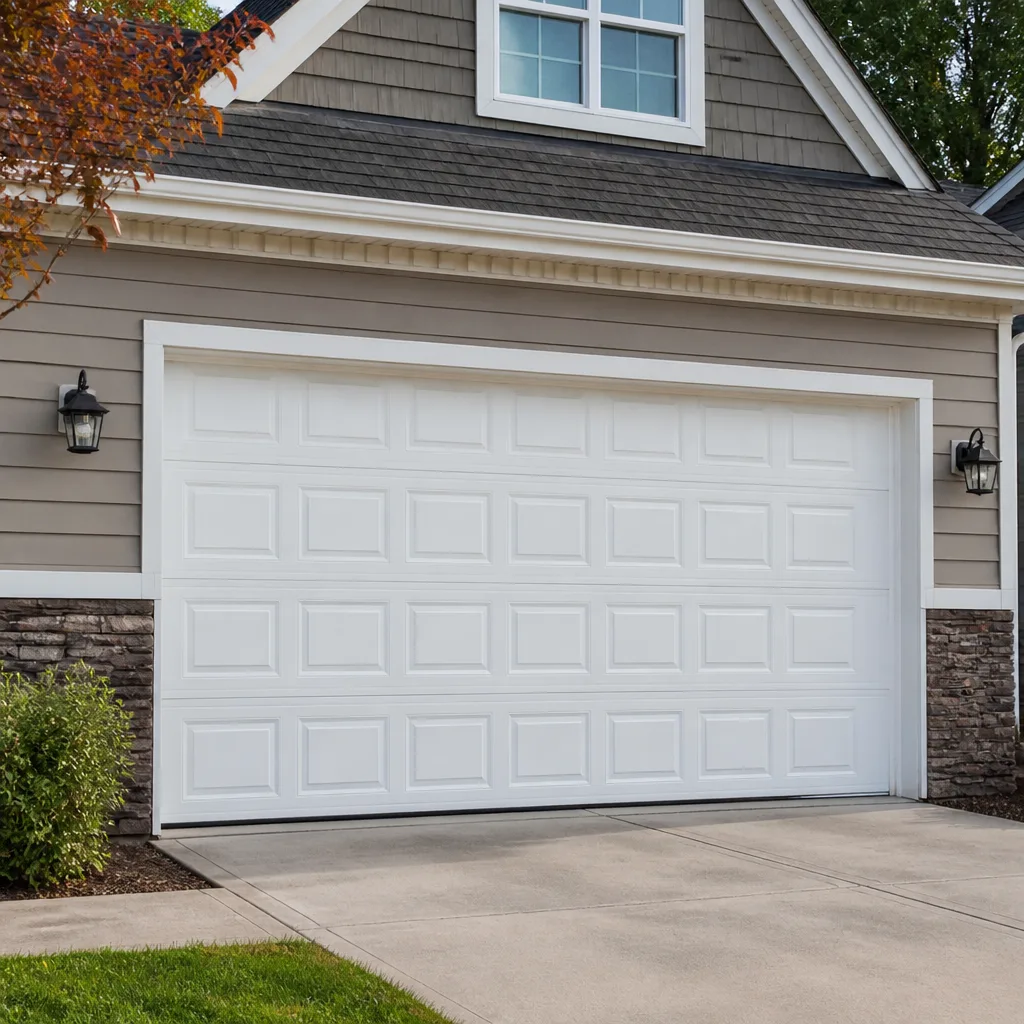 Raised-panel steel
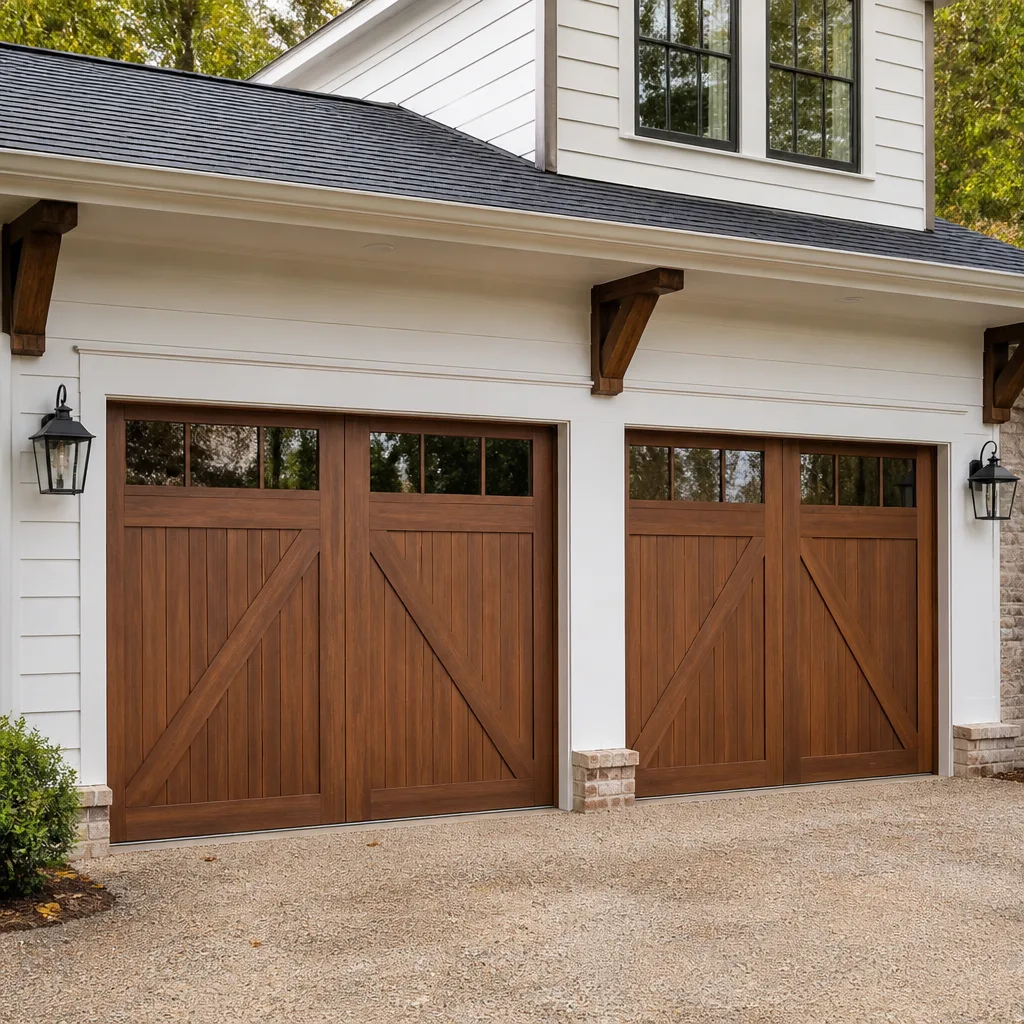 Carriage house
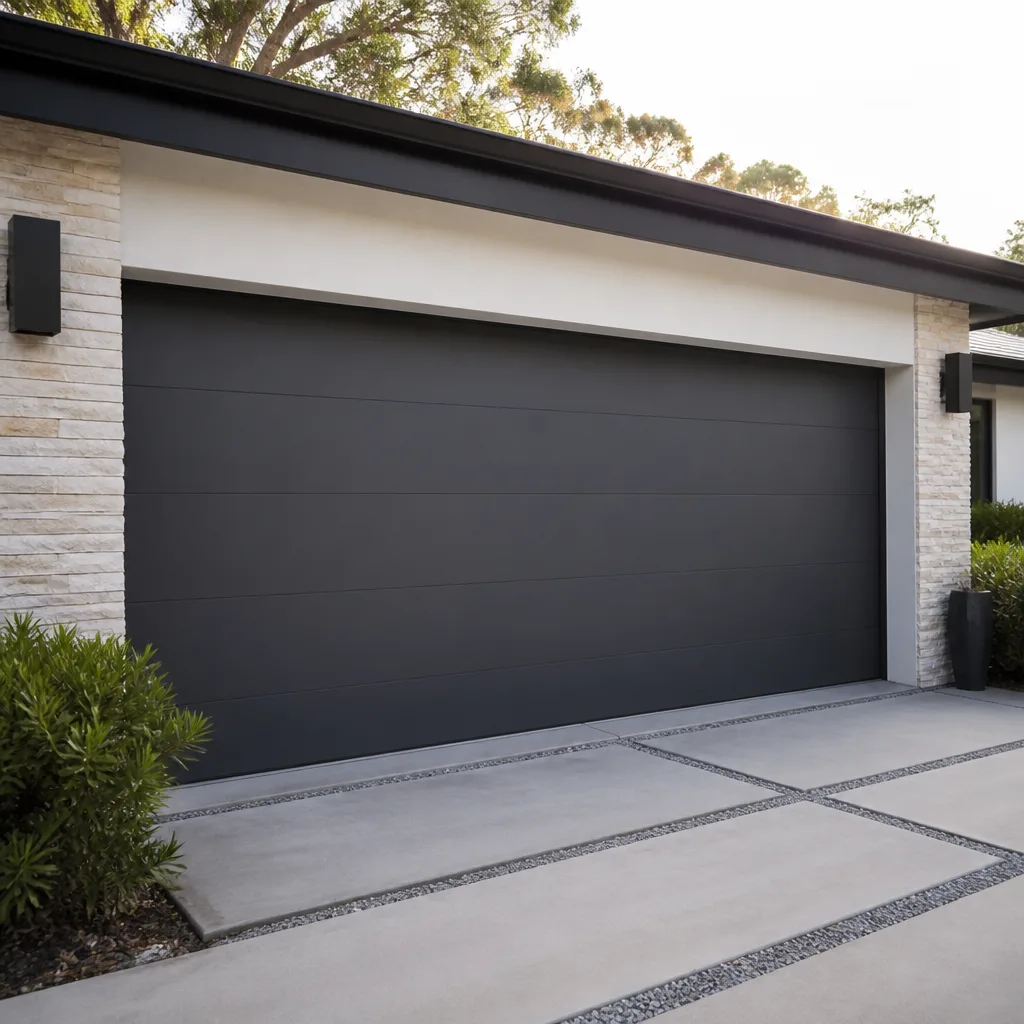 Modern flush
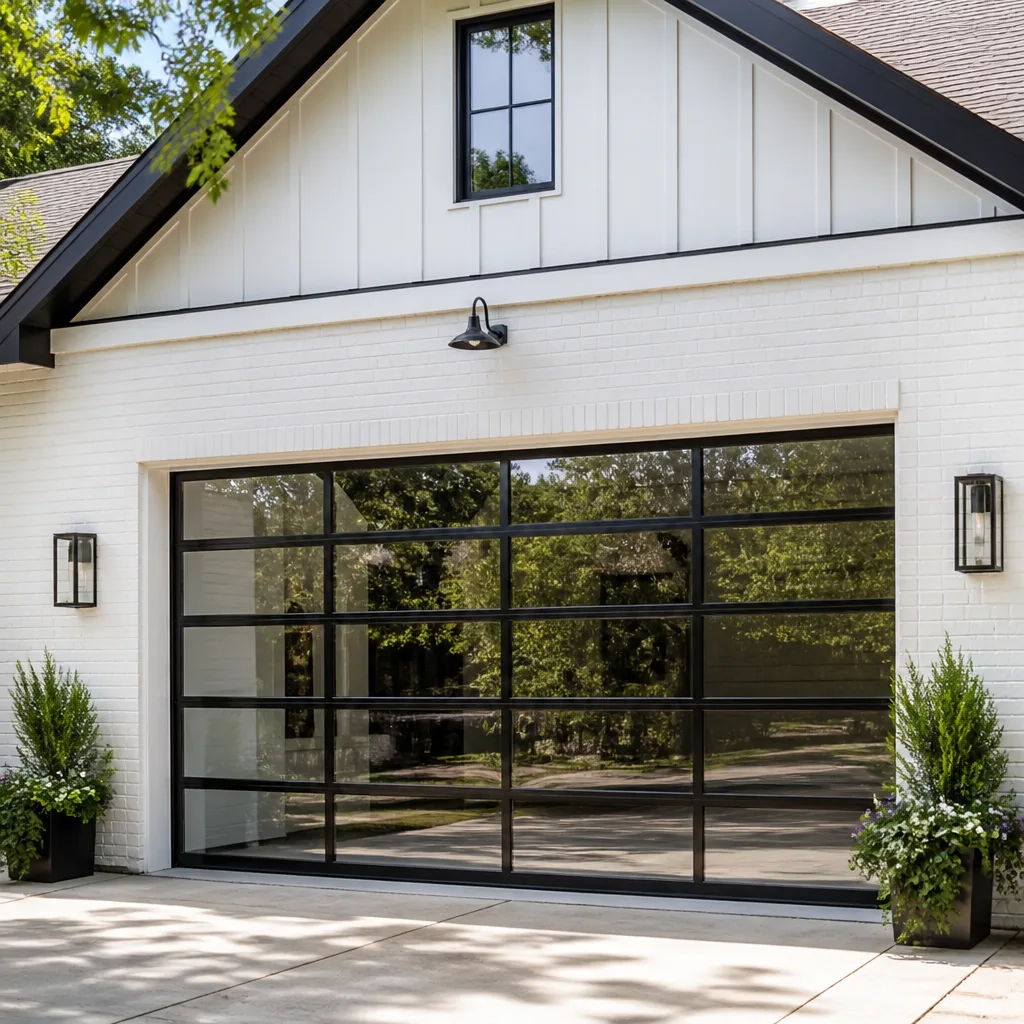 Full-view glass
 LiftMaster openers
 Chamberlain openers
Full 25-point door and opener safety check with every visit - springs, cables, rollers, tracks, and your LiftMaster or Chamberlain opener included
You get a price before we start. It does not change when the pro arrives.
Get your free estimateGarage Door Repair Maintenance Schedule: What to Do and When
The number-one reason Edmond homeowners need an emergency repair call in January is a maintenance task they skipped in October – and it takes about four minutes. That task is a balance test, and almost nobody does it. The garage door is the largest moving object in most homes, and it cycles open and shut more than a thousand times a year in a busy household. Yet it gets less attention than the furnace filter. A single annual tune-up sounds responsible, but it’s the wrong model for our part of Oklahoma. Freeze-thaw cycles, summer heat, and storm season each stress different parts at different times of year. This guide walks you through a maintenance schedule built around the Edmond calendar, so you’re servicing the right component before it fails, not after.
Quick Answer
The right garage door maintenance schedule for Edmond is seasonal, not annual: a pre-summer heat check in late spring, pre-winter lubrication and spring inspection in the fall, and a post-storm hardware audit after any significant wind event. Spread across the year, that’s roughly one focused 30 to 60 minute session per season plus a four-minute balance test every few months. Following this schedule is the difference between a quiet, well-tuned door and a January emergency call for a broken spring.
Styles & brands we work with
- Raised-panel steel
- Carriage house
- Modern flush
- Full-view glass
- LiftMaster openers
- Chamberlain openers
Table of Contents
- Why Edmond’s Climate Demands a Seasonal Schedule
- Spring Maintenance: The Post-Winter Inspection
- Summer Maintenance: Heat, Lubrication, and the Balance Test
- Fall Maintenance: Preparing for the First Freeze
- Winter Maintenance: The Cold-Month Check
- Post-Storm Hardware Audit
- Opener Maintenance by Drive Type
- The Right Lubricants (and the One That Damages Your Door)
- What DIY Maintenance Can’t See
Why Edmond’s Climate Demands a Seasonal Schedule
A generic maintenance checklist assumes your garage door faces the same conditions year-round. In Edmond, it doesn’t. Our climate moves through four distinct stress periods that each wear down a different part of the door system, and treating the whole year as one uniform “annual tune-up” leaves each component exposed during the season it’s most vulnerable.
- Freeze-thaw cycles (winter into early spring): Metal contracts in the cold and expands as it warms. That cycling works hardware loose, and any moisture that gets into a hinge or roller bearing freezes and can crack it. Springs under constant tension are especially sensitive to rapid temperature swings.
- Summer heat (June through August): Extended stretches of 90-degree-plus days soften lubricants, dry out rubber weather seals, and put sustained thermal load on the torsion spring. Heat also stresses the opener motor, which has to work harder when the door’s tracks and rollers are under-lubricated.
- Storm season (spring and early summer): Straight-line winds, hail, and the occasional tornado warning are a fact of life here. Even a storm that misses your house can shake the door enough to knock the track out of alignment or loosen a bracket.
- The first hard freeze (late fall): This is the season when a spring that’s been quietly weakening all year finally lets go – often on the coldest morning of the year, when the metal is at its most brittle.
For homeowners in neighborhoods like Coffee Creek, Danforth, and the older sections near downtown Edmond, the pattern is consistent. The door’s condition in January is largely decided by what happened in October. A seasonal schedule puts attention on each component before its hardest season arrives. That’s the model we’ve built the rest of this guide around, and it’s the model that keeps a garage door out of the emergency-repair column.
Spring Maintenance: The Post-Winter Inspection
Once the last freeze has passed, usually by late March or early April in Edmond, it’s time to see what winter did. This is the first of four focused sessions, and it should take 30 to 45 minutes. The goal here is catching winter damage before summer heat compounds it.
- Walk the tracks. Run your hand along each vertical and horizontal track and feel for dents, bends, or places where the door rubs. A track knocked out of alignment during the winter needs straightening now, before it wears the rollers unevenly through the summer.
- Inspect every hinge and bracket. Look for cracks in the metal and check that all bolts are snug. Freeze-thaw cycles loosen hardware. A hinge that’s rattled loose is a hinge that will eventually fail.
- Check the weather seal along the bottom. If the rubber or vinyl seal looks cracked, stiff, or has gaps, cold weather has done its work. A failing bottom seal lets water, cold air, and pests in, and it’s one of the most affordable parts to replace.
- Look at the springs for visible wear. You’re not touching them – you’re observing. A torsion spring that looks stretched, has a visible gap, or has a rust line along its coil is telling you something. Note it and leave the adjustment to a technician.
- Run the door and listen. Grinding, squealing, or a heavy thud at the top or bottom of the travel is information. Note where in the cycle you hear it.
Spring is also the right time for a full garage door repair assessment if you noticed any of the warning signs above through the winter. A technician can measure spring tension accurately and catch small issues before storm season adds to them. If you’re in Edmond and the door just hasn’t felt right since the last cold snap, this is the season to get ahead of it.
Summer Maintenance: Heat, Lubrication, and the Balance Test
By June, the door is entering its hardest stretch. Edmond summers push the opener motor, dry out rubber seals, and thin out any lubricant that was applied in cooler weather. This is the season for a lighter, more frequent touch – and for the balance test, which is the single most useful four minutes you’ll spend on the door all year.
The 15-Second Balance Test (and What It Tells You)
Here’s how to do it safely. Disconnect the opener by pulling the manual release handle (the red cord) so the door moves on its own. Lift the door to roughly waist height and let go. A healthy door with balanced spring tension should stay roughly where you let it go, or drift very slowly. A door that falls immediately, or races down hard, is telling you the springs are losing tension or one has partially failed.
That result is diagnostic. A door that won’t hold position means the springs are doing less work than the opener motor, which means the motor is quietly doing extra labor on every single cycle. In summer heat, that’s how openers burn out early. Repeat the balance test every few months, and note any change in how the door behaves. If it stops holding position, stop using the opener until a technician looks at it. Springs are under extreme tension and are genuinely dangerous to adjust or replace without the right tools – this is not a homeowner repair.
Summer Lubrication
Apply a small amount of white lithium grease or a silicone-based lubricant to the hinges, rollers, and bearing plates. A light application is enough; more is not better, because excess lubricant collects dust and grit. Wipe away any runs or drips. Check that the opener’s chain or belt (depending on drive type) is at the right tension and lightly lubricated. This mid-season touch keeps everything moving smoothly through the heat.
Openers from Chamberlain and Genie are common in Edmond homes, and both lines have specific lubrication points that differ slightly from one another. If you’re unsure what your opener needs, that’s a good reason to have it looked at once in the summer by someone who services the brand regularly. Our garage door opener repair work covers both lines.
Fall Maintenance: Preparing for the First Freeze
This is the session that matters most, because it’s the one that determines whether you’ll be making an emergency call in January. The first hard freeze in Edmond is when a weakening spring fails, and the coldest weeks are when hardware that wasn’t tightened in fall works its way loose. Give yourself 45 to 60 minutes in October for this one.
- Lubricate everything that moves. Hinges, rollers, the torsion spring itself (a light wipe, not a soak), and the opener’s chain or screw drive. Cold weather makes dry metal brittle and loud. A well-lubricated door moves smoothly at 20 degrees the way it does at 70.
- Inspect the springs one final time before cold sets in. Look for stretch, rust lines, or gaps. If the balance test has been showing weakness all year, fall is when you want to address it, not on the coldest morning in February.
- Check the door’s alignment and the gap along the bottom. A door that seals tightly holds heat, and a tight seal also keeps cold air and moisture out of the tracks, which can freeze. Replace any weatherstripping that’s failed.
- Tighten all visible hardware. Hinges, brackets, and the track bolts. Use the right tool and don’t over-tighten; snug is the target.
- Test the safety reverse. Place a piece of wood or a rolled-up towel under the door and close it. The door should reverse on contact. If it doesn’t, the opener’s safety sensor or the force setting needs adjustment, and this is a safety issue worth fixing before winter.
- Clear the tracks and the opener’s sensors. Debris blown in by fall winds can block the photo-eye sensors. Clean them and test the auto-reverse again.
Fall is also the season to look at the door’s overall condition – the paint or finish, any rust on steel doors, and whether the wood on a Clopay or Amarr wood-composite door needs sealing. Catching finish problems in fall means they don’t get worse through the freeze-thaw cycle.
Winter Maintenance: The Cold-Month Check
Once the temperature is consistently below freezing, your job is mostly observation. The door is under the most stress of the year, and you want to catch problems before they become emergencies. Keep this one short – 15 to 20 minutes.
- Listen every time you open the door. A new grinding, squealing, or popping sound in cold weather is a warning. If the door suddenly sounds different, stop cycling it and get it looked at.
- Watch for a door that doesn’t close all the way. Cold can make the bottom seal stiff and cause the door to bind. If it stops short or reverses unexpectedly, the safety sensor or the force setting may need adjustment.
- Keep the tracks clear of ice and snow. Moisture that gets into the tracks and freezes will bind the door. Clear it before it freezes solid.
- Do the balance test again in late winter. The door has been through months of freeze-thaw cycles. If it no longer holds position, the springs have weakened further and should be addressed before the door’s motor or opener takes the strain.
If your door fails in winter, the repair is often straightforward once it’s diagnosed. Call (833) 545-4561. We answer 24/7. Fast dispatch from 7am to 7pm, Sunday through Friday. Getting a trained eye on the door in winter beats guessing at the problem in the cold.
Post-Storm Hardware Audit
Edmond sits in one of the most active storm corridors in the country, and even a storm that doesn’t directly hit your house can do damage to a garage door. High winds shake the door and put stress on the track, brackets, and hinges. Hail can dent steel panels. If a significant wind event has passed through your neighborhood – whether that’s in the Coffee Creek area or anywhere else in Edmond – do a quick audit before using the door a lot.
- Look at the panels. Dents from hail are the most visible sign. Small dents that don’t affect function can be left; larger ones can interfere with how the panels meet at the seams.
- Check the track alignment. Open and close the door slowly and watch for any place the rollers bind or the door rubs the track. Wind can knock a track out of true. A track that’s out of alignment wears the rollers fast.
- Check the hinges and brackets. Grab each hinge by hand and try to wiggle it. A hinge that moves is a hinge whose mounting screws have loosened. Snug them up.
- Test the opener’s safety reverse. Storms can bump the opener’s force settings, and a door that no longer reverses on contact is a safety concern. Test it after any significant event.
- Listen for new rattles. If the door suddenly rattles in a wind that used to leave it quiet, something has loosened. Note what you hear and where.
If the audit turns up a dented panel, a bent track, or a hinge that won’t stay tight, that’s a job for a technician. For the broader picture on what a professional assessment covers, see our Edmond Garage Door Service page. Post-storm inspections are one of the most common reasons homeowners call us in Edmond, and the work is usually quick once the scope is clear.
Opener Maintenance by Drive Type
Not every opener needs the same attention. The three main drive types – chain, belt, and screw – have different wear points, and a maintenance schedule that treats them identically misses the component that matters most on each one.
Chain-Drive Openers
Chain drives are the most common and the most durable, and they’re louder and more maintenance-hungry than other types. The chain needs periodic lubrication (a light application of a chain-specific grease, not WD-40). It also needs a tension check: with the door closed, there should be a small amount of slack in the chain, usually about half an inch. Too much slack means the chain is likely to jump the sprocket, which can cause the door to bind or the motor to strip gears. Adjusting chain tension is a straightforward task, but it needs the right manual for your specific model.
Belt-Drive Openers
Belt drives run quieter than chain drives – often the choice for bedrooms over garages – and they need less frequent lubrication. The belt itself shouldn’t be greased; doing so attracts dust and causes wear. Instead, check that the belt tension is correct and inspect for cracks or fraying. A belt that looks dry or has visible cracks is near the end of its life. The opener’s motor housing and the trolley (the part that slides on the rail) are the components that wear first on belt drives.
Screw-Drive Openers
Screw drives use a threaded rod and a traveling nut to move the door, which makes them durable and relatively low-maintenance, but the screw itself needs a specific type of lubricant to work smoothly. Apply a manufacturer-approved grease to the screw periodically. A dry screw causes wear on the traveling nut, and a worn nut is a harder problem to fix than a lubricated one is to prevent. Screw drives are common on heavier doors and on Genie and Chamberlain models.
For any opener, the safety reverse test is the single most important maintenance item. Test it every season. If you’re in Edmond and your opener is misbehaving, our Edmond team handles garage door opener repair on all four major smart-home platforms.
The Right Lubricants (and the One That Damages Your Door)
Lubrication is the most misunderstood part of garage door maintenance, in part because the most popular spray in America is the wrong choice. Here’s what to use and what to avoid.
- Use white lithium grease on hinges, rollers, and bearing plates. It goes on clean, stays put, and holds up through heat and cold.
- Use a silicone-based spray lubricant on tracks and on the door’s weather seal. Silicone doesn’t attract dust the way oil-based products do, and it won’t stain wood or painted surfaces.
- Use a chain-specific grease on chain-drive openers. The chain needs a product thick enough to stay inside the links.
- Do not use WD-40 on garage door components. WD-40 is a light solvent and water displacer, not a real lubricant. It strips away the lubricant that’s already there, evaporates over time, and leaves the metal drier than it started. Repeated use on hinges and rollers accelerates wear. It’s fine for loosening a stiff bolt. It’s the wrong product for moving parts.
A small tube of white lithium grease, a small can of silicone spray, and a chain grease covers nearly every homeowner maintenance task in this guide. The rest is scheduling. Avoid using motor oil, cooking oil, or anything not designed for garage hardware, since these collect grit and cause problems of their own.
What DIY Maintenance Can’t See
Homeowners who follow this schedule will keep most of the door in good working order. But there’s a specific set of diagnostics that only a trained eye and the right tools can deliver, and knowing when to call a professional is part of doing this well.
- Accurate spring tension measurement. A technician uses winding bars and a calibration method to measure the actual tension of a torsion spring, not just its visible condition. A spring that looks fine but has lost 20% of its tension will wear out the opener motor long before it fails visibly. That’s a diagnostic you can’t do by feel.
- Opener force and travel calibration. The opener has settings for how much force it uses to move the door and how far it travels before stopping at the top. These drift over time, and recalibrating them requires a tachometer or the right diagnostic sequence from the manufacturer. An opener that’s slightly miscalibrated can work for months and then fail suddenly. Craftsman, LiftMaster, and Chamberlain models each have their own calibration procedure.
- Spring replacement itself. Never a DIY job. Torsion springs are under enough tension to cause serious injury, and extension springs carry the same risk. A trained technician has the correct winding bars, the correct spring size chart, and the right procedure. This is also where we recommend homeowners stop and call. Springs and the cables that run alongside them are the one part of this system that can genuinely hurt you.
- Roller bearing wear on the inner surface. A technician can feel wear on the roller bearings by spinning them and listening. A homeowner can’t easily see inside the roller housing, and the bearing is where most roller failures start. Our technicians have up to 10 years of experience with this exact diagnosis.
- Track alignment measured accurately. A bend in the track that looks minor may be off enough to cause binding. A technician uses a level and a straight edge to check whether the tracks are true. That’s the kind of check that prevents roller and hinge wear over months.
If any of these feels over your head, that’s an honest answer. Getting the diagnostics right the first time is what we mean by “get it right the first time” – the goal is no repeat service calls on the same door.
Common Mistakes to Avoid
- Applying WD-40 to hinges and rollers. It’s the most common mistake we see. WD-40 removes lubricant rather than adding it, and a steady diet of it accelerates wear. Use white lithium grease or a silicone spray instead.
- Treating the annual tune-up as enough. Edmond’s climate moves through four distinct stress periods. A single tune-up in the spring leaves the door exposed to summer heat and the fall freeze. Follow the seasonal schedule instead.
- Adjusting springs without the right tools. Torsion springs are under enough tension to cause serious injury. This is the one part of garage door work that a trained professional should always handle. The cost of a technician visit is small compared to the risk.
- Ignoring a door that won’t hold position in the balance test. A door that fails the balance test is telling you the springs are weakening. Using the opener anyway forces the motor to compensate, and that’s how openers burn out early. Stop using the door and get it looked at.
- Over-lubricating. More lubricant isn’t better. Excess grease collects dust and grit, and grit is what wears bearings out. Apply a light coat and wipe away the runs.
- Skipping the post-storm audit. In a storm corridor like ours, wind events loosen hardware that was fine the week before. A five-minute walk-around after any significant storm catches problems before they compound.
- Ignoring a new sound. If the door suddenly sounds different, something has changed. A grinding, squealing, or popping sound is a warning, not a personality trait. Note it and get it diagnosed before it becomes an emergency.
See the difference
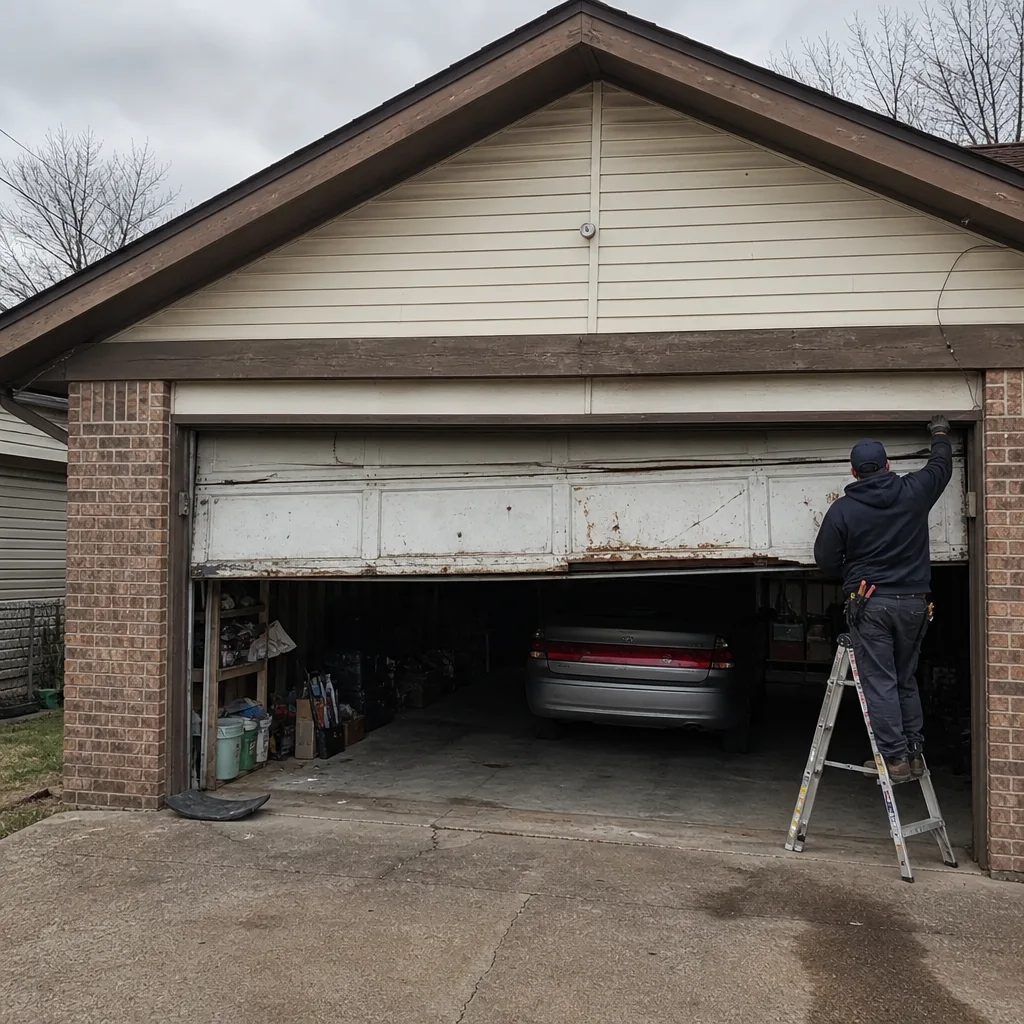 Before
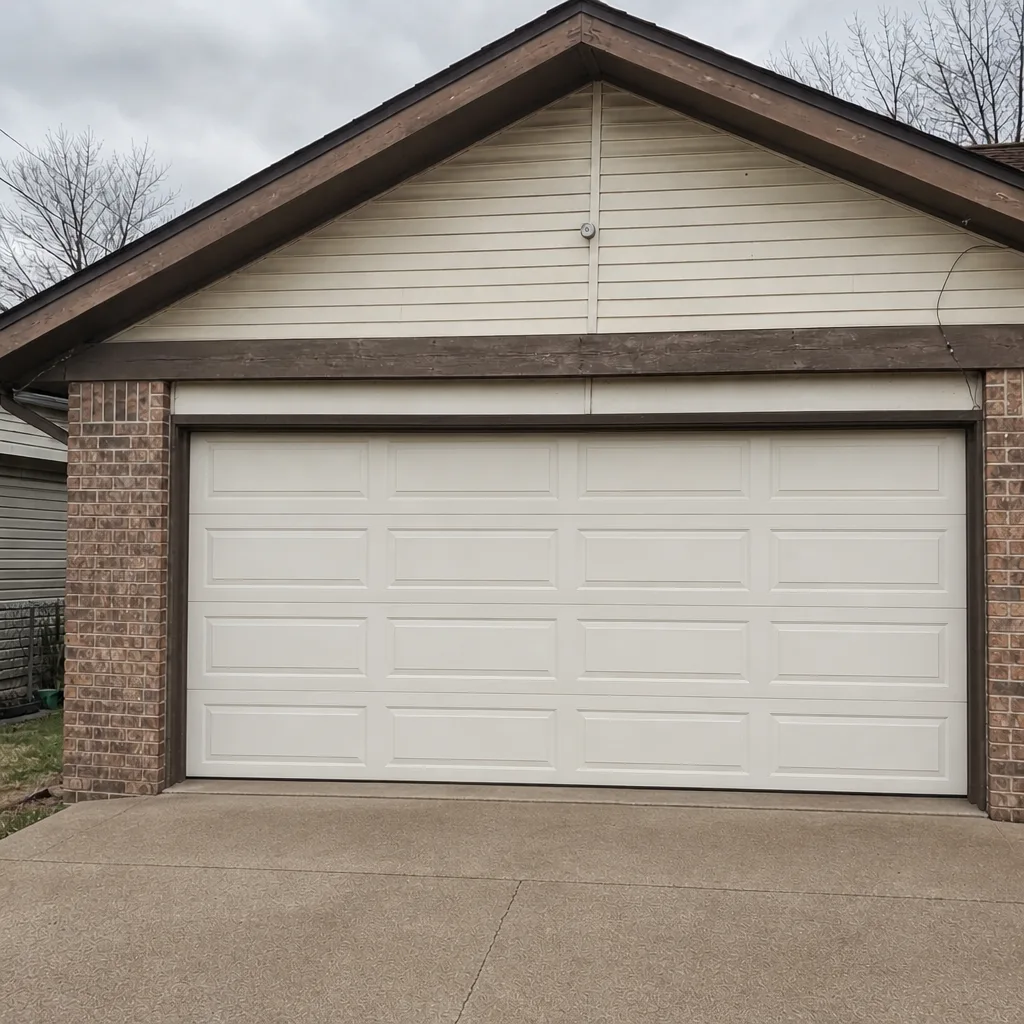 After
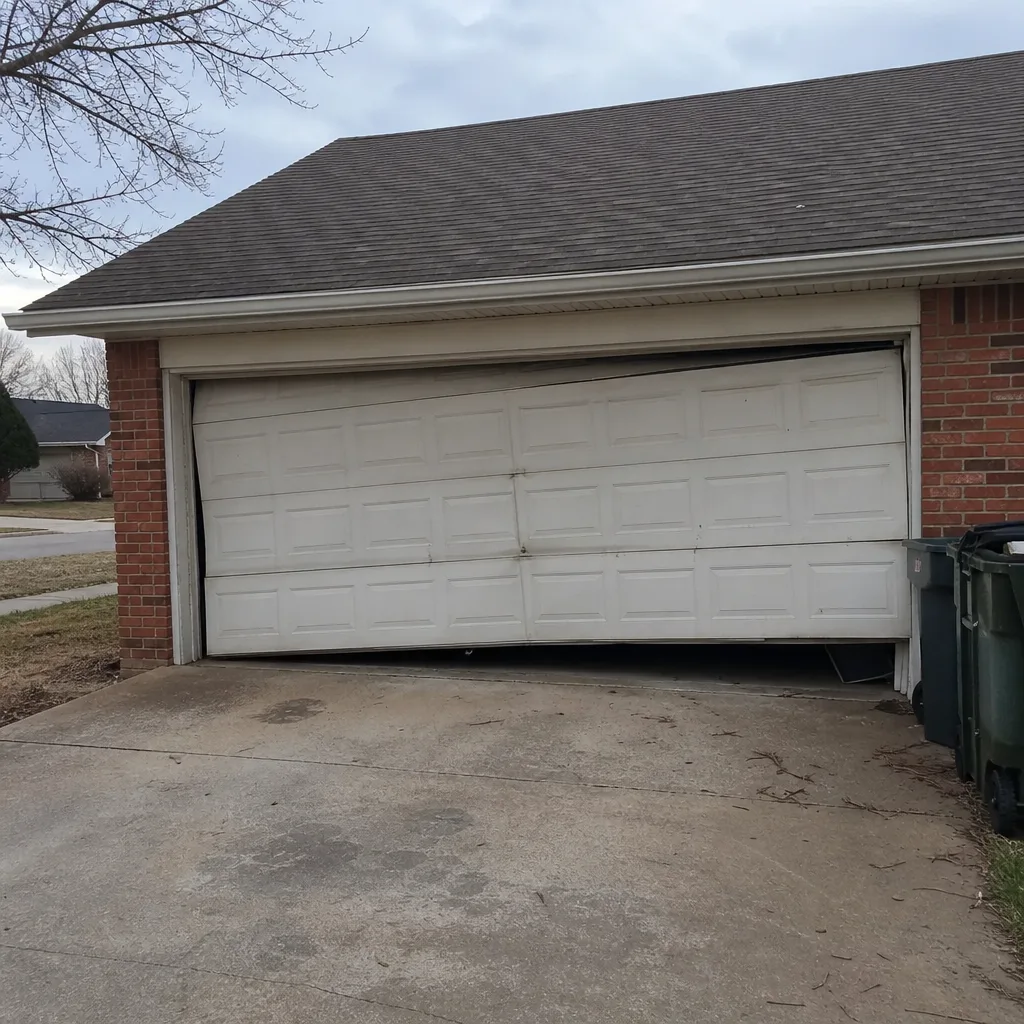 Before
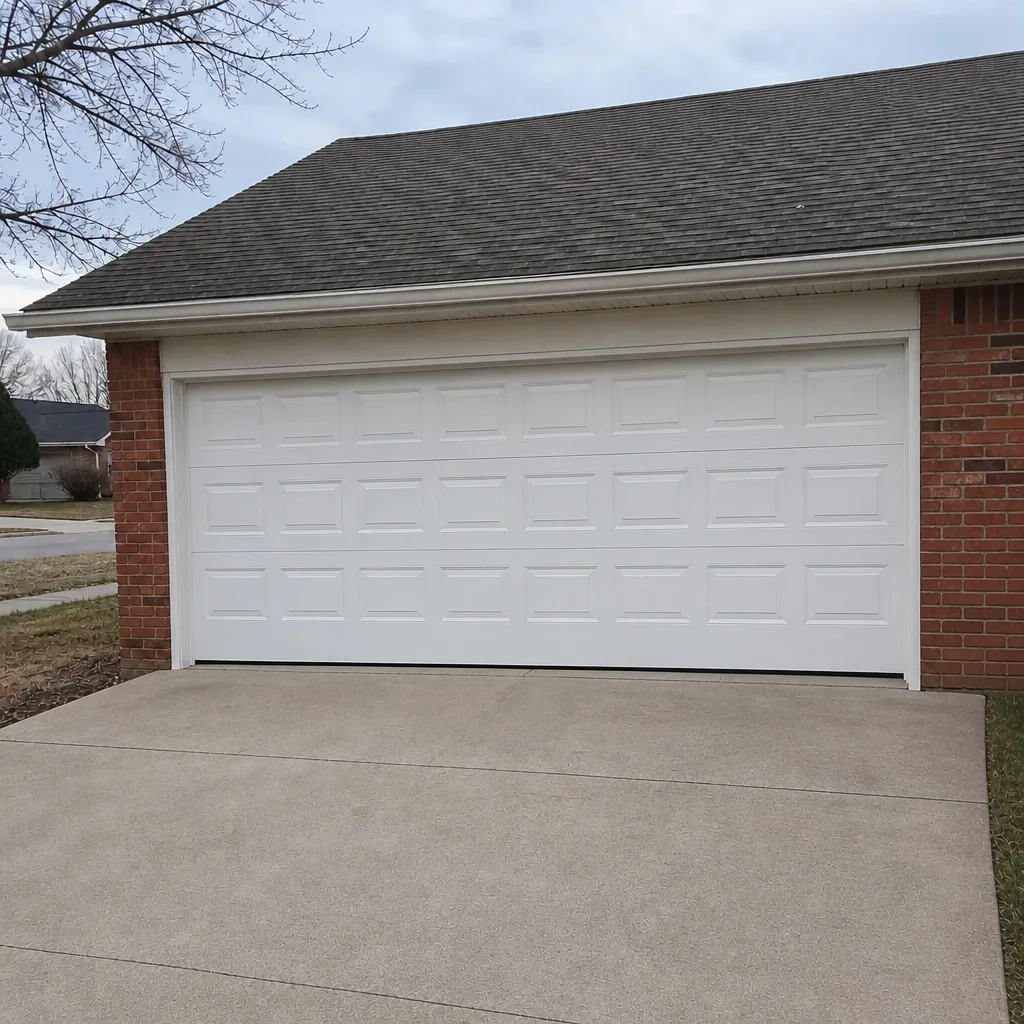 After
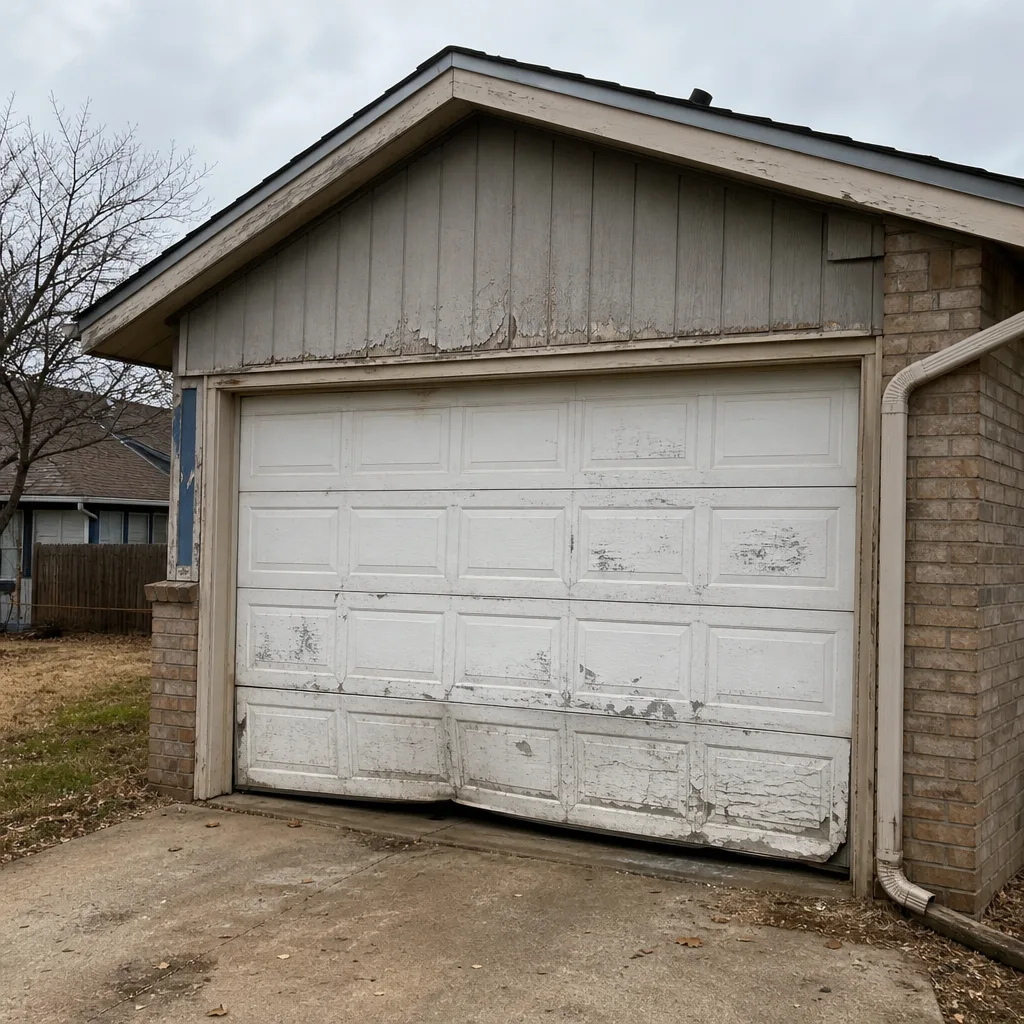 Before
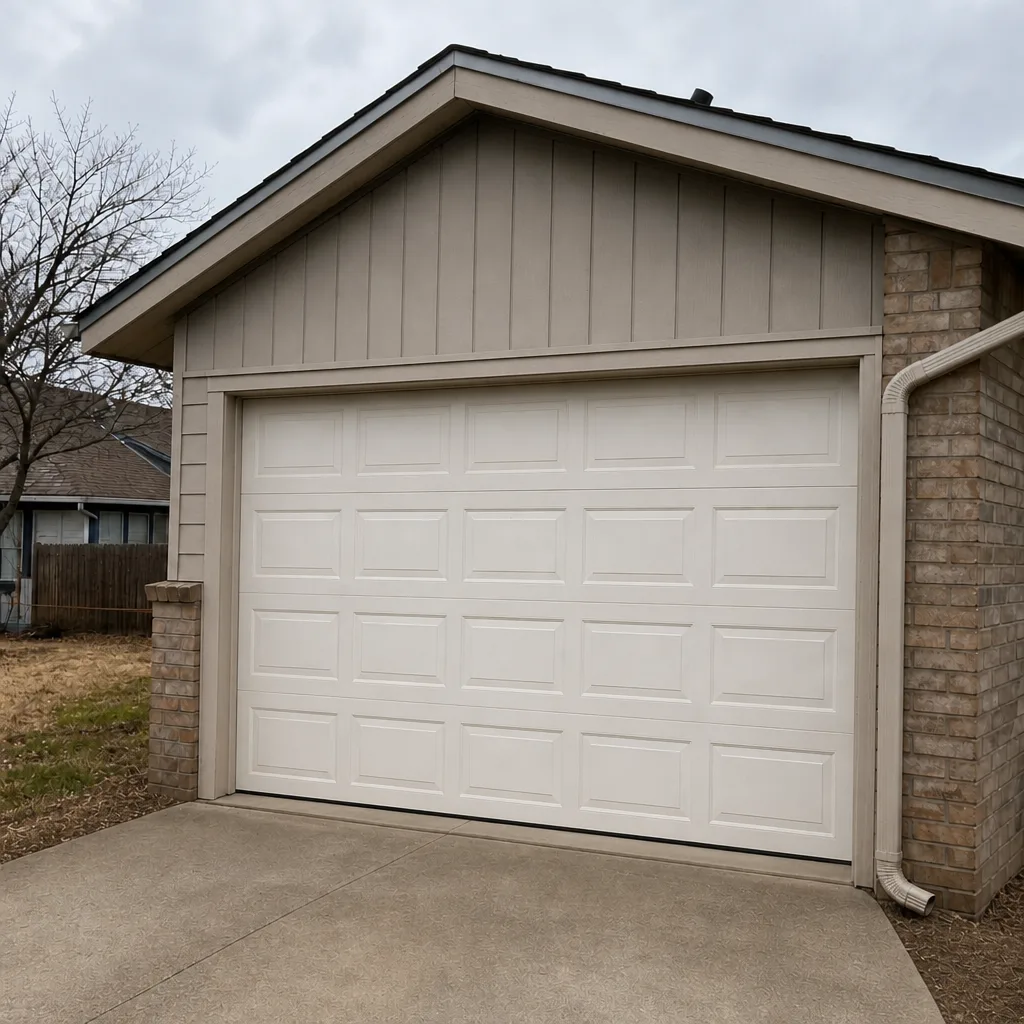 After
When to Call a Professional
Some maintenance tasks belong at home. Others are best left to a technician. Call a professional if you notice any of the following: a balance test that no longer holds position; a spring with visible stretch, a gap in the coil, or a rust line; a door that won’t reverse on contact; a bent or misaligned track; grinding or squealing that’s new in the last month; a door that’s failed mid-open or mid-close; or a post-storm audit that found damage beyond a loose hinge. Springs and cables in particular should always be handled by a trained technician. If you’re comparing the cost of a service call to the risk of a DIY spring adjustment, the answer isn’t close.
Edmond Garage Door Service offers free estimates in Edmond – call (833) 545-4561. We answer 24/7. Fast dispatch from 7am to 7pm, Sunday through Friday. We service eight of the most widely installed garage door and opener brands on the market, so whatever is on your door, we can work on it.
Frequently Asked Questions
A four-season schedule – one focused session each spring, summer, fall, and winter – plus a four-minute balance test every few months. That rhythm is built around Edmond’s freeze-thaw winter, hot summer, and storm season. A single annual tune-up is not enough here, because each season stresses a different component.
If you’d rather have a professional handle the seasonal checks, call (833) 545-4561. Estimates are free.
Whether your door’s springs are doing their job or whether the opener motor is quietly picking up the slack. Disconnect the opener, lift the door to waist height, and let go. A healthy door holds roughly in place. A door that falls or races down has weakened springs, and continuing to use the opener in that condition wears out the motor.
If your door fails the test, stop cycling it and call (833) 545-4561 for a spring inspection.
WD-40 is a light solvent and water displacer, not a long-term lubricant. It strips away the lubricant that’s already on the metal and evaporates, leaving hinges and rollers drier than before. White lithium grease and silicone spray are the correct products for garage door parts.
If you’ve been using WD-40 for a while, a professional tune-up can clean and re-lubricate the hardware. Call (833) 545-4561 for a free estimate.
Yes. Chain drives need periodic chain grease and a tension check. Belt drives should not be greased but should be inspected for cracks and tension. Screw drives need a manufacturer-approved grease on the threaded rod. Treating all three the same misses the component that wears fastest on each.
Not sure which you have? Call (833) 545-4561 and we’ll help you identify it on the spot.
After any significant wind event, hail storm, or tornado warning in the area. Edmond sits in an active storm corridor, and even storms that miss your house can shake the door enough to loosen hardware or knock a track out of alignment. A five-minute walk-around catches most issues before they compound. Test the safety reverse after every significant storm.
If your post-storm audit finds anything that looks off, call (833) 545-4561. We answer 24/7.
The diagnostic depth. A technician can measure spring tension accurately, recalibrate opener force and travel, check roller bearing wear that isn’t visible from outside, and verify track alignment with a level. Those are the things that catch problems before they become emergency calls. A homeowner tune-up is worth doing; a professional tune-up adds the diagnostics that a homeowner physically cannot perform.
Call (833) 545-4561 for a free estimate on a professional tune-up in Edmond.
The Bottom Line
Garage door maintenance in Edmond isn’t a once-a-year event. It’s a seasonal rhythm built around freeze-thaw winters, hot summers, and active storm season. Spread the work across the year: post-winter inspection in spring, lubrication and the balance test in summer, full preparation for the first freeze in fall, observation in winter, and a quick hardware audit after any significant storm. Use white lithium grease, silicone spray, and chain grease – never WD-40. Do the balance test every few months. Leave spring work to a trained technician. Follow that schedule and most doors will go years without an emergency call. When the work exceeds what you can do safely, that’s our job.
Whether you need a seasonal tune-up, a repair after a storm, or a full garage door repair, Edmond Garage Door Service is your local specialist. Call (833) 545-4561 for a free estimate. We answer 24/7. Fast dispatch from 7am to 7pm, Sunday through Friday. You can also learn more about our service area in Edmond.
Written by the team at Edmond Garage Door Service.