
Last updated November 16, 2026
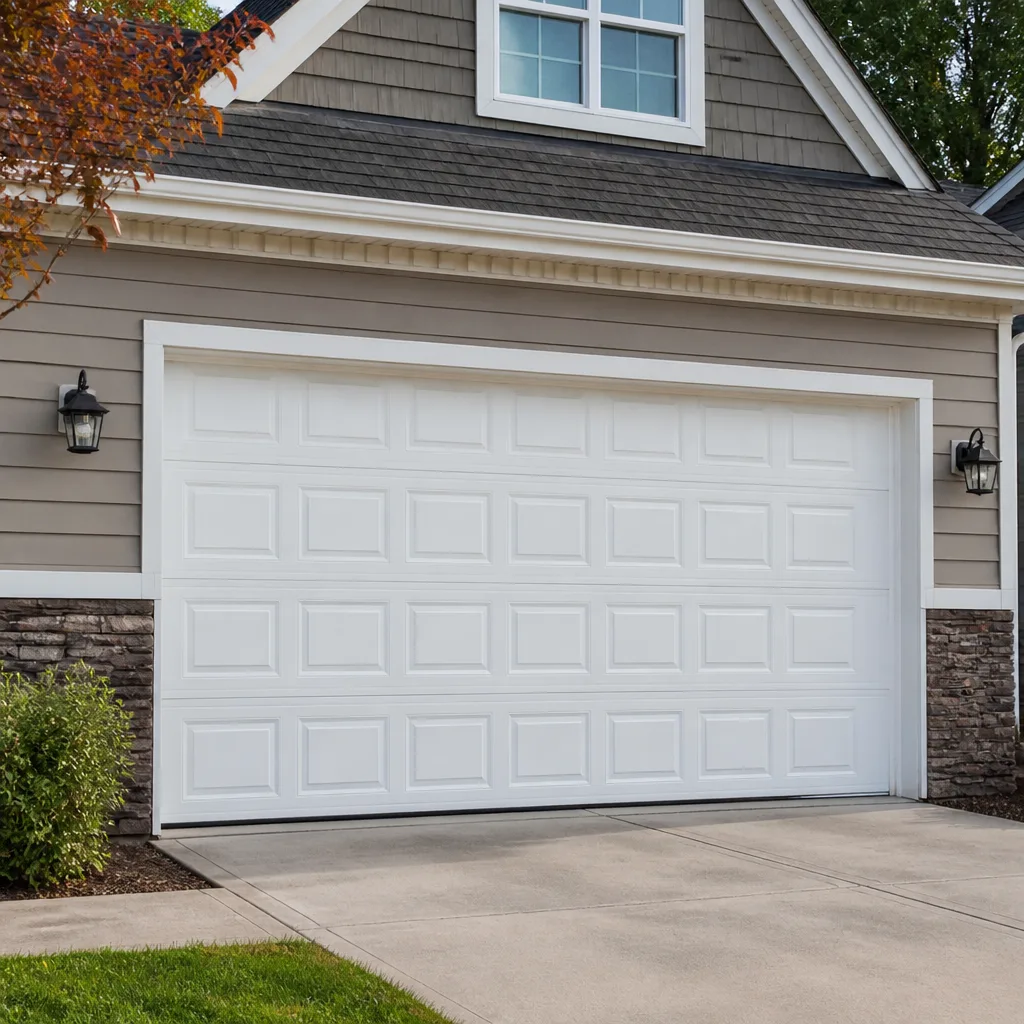 Raised-panel steel
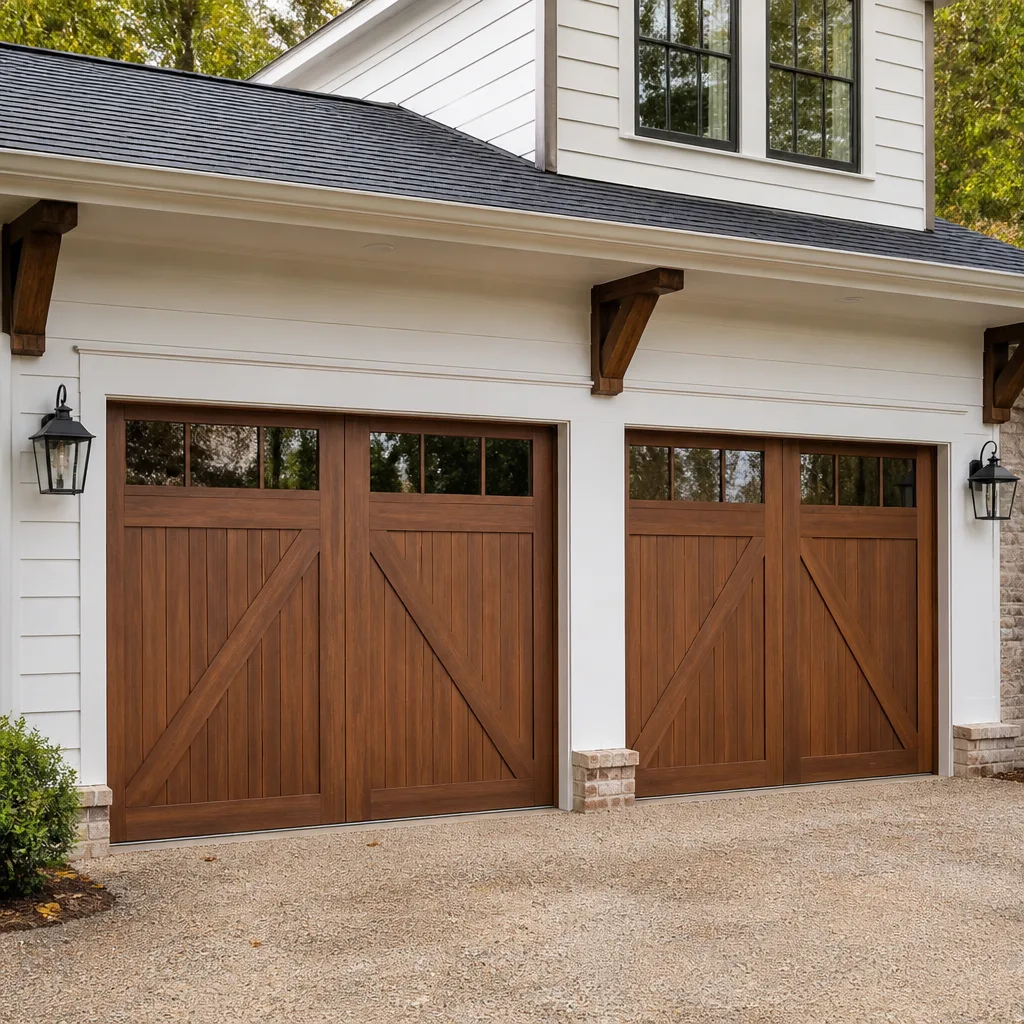 Carriage house
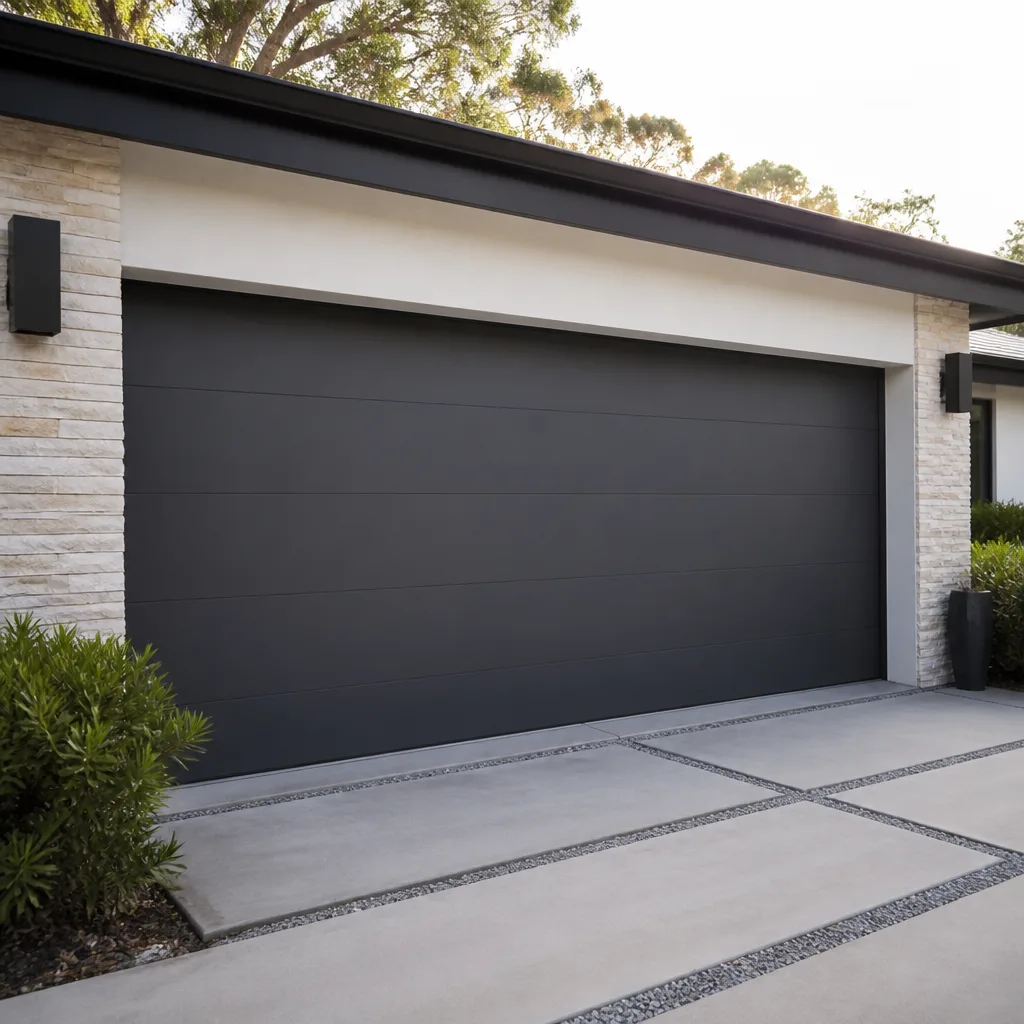 Modern flush
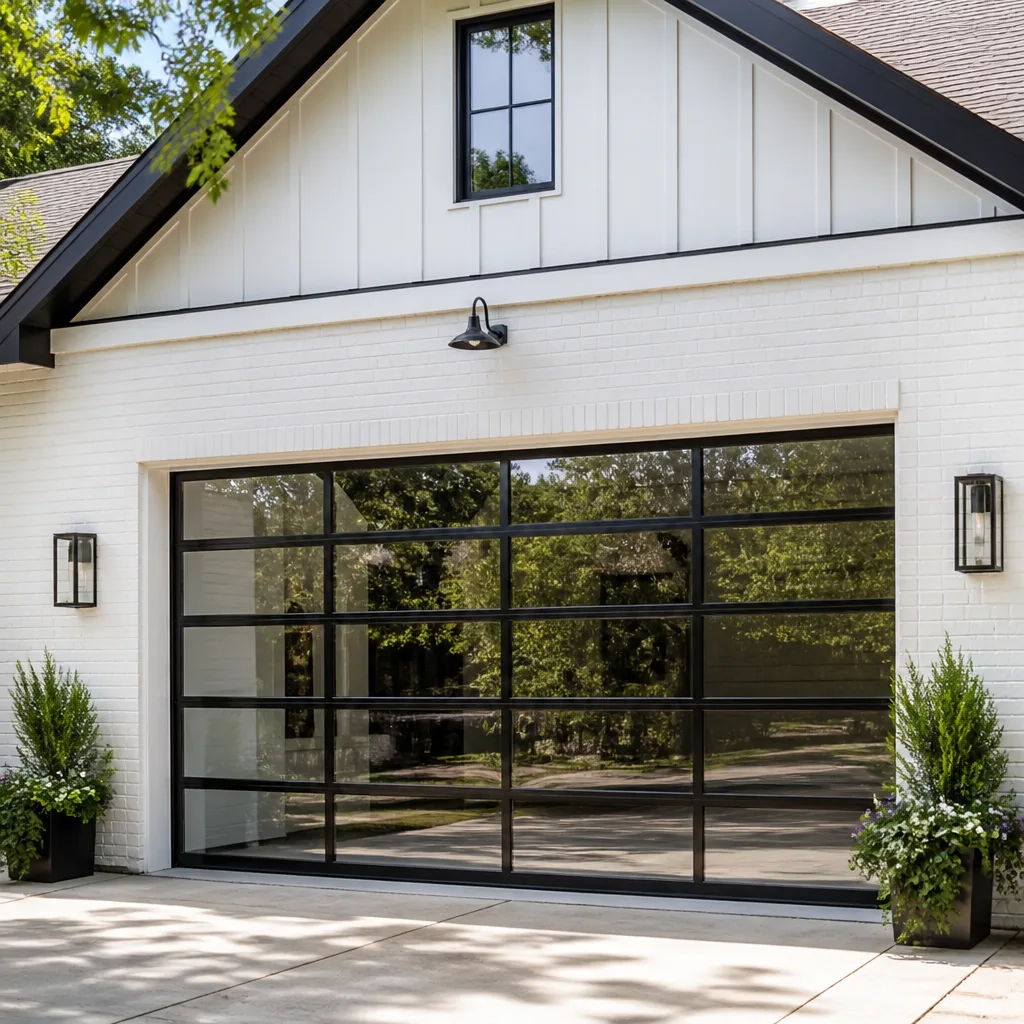 Full-view glass
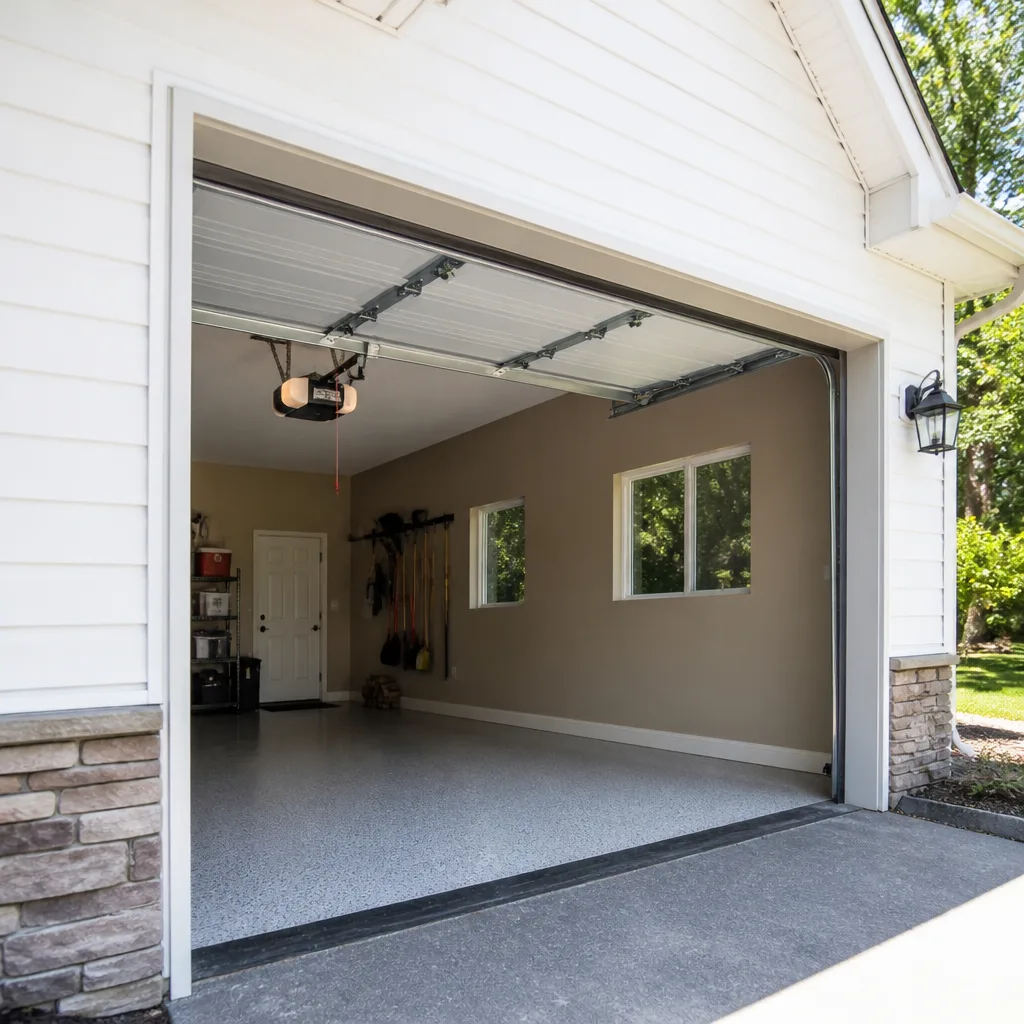 LiftMaster openers
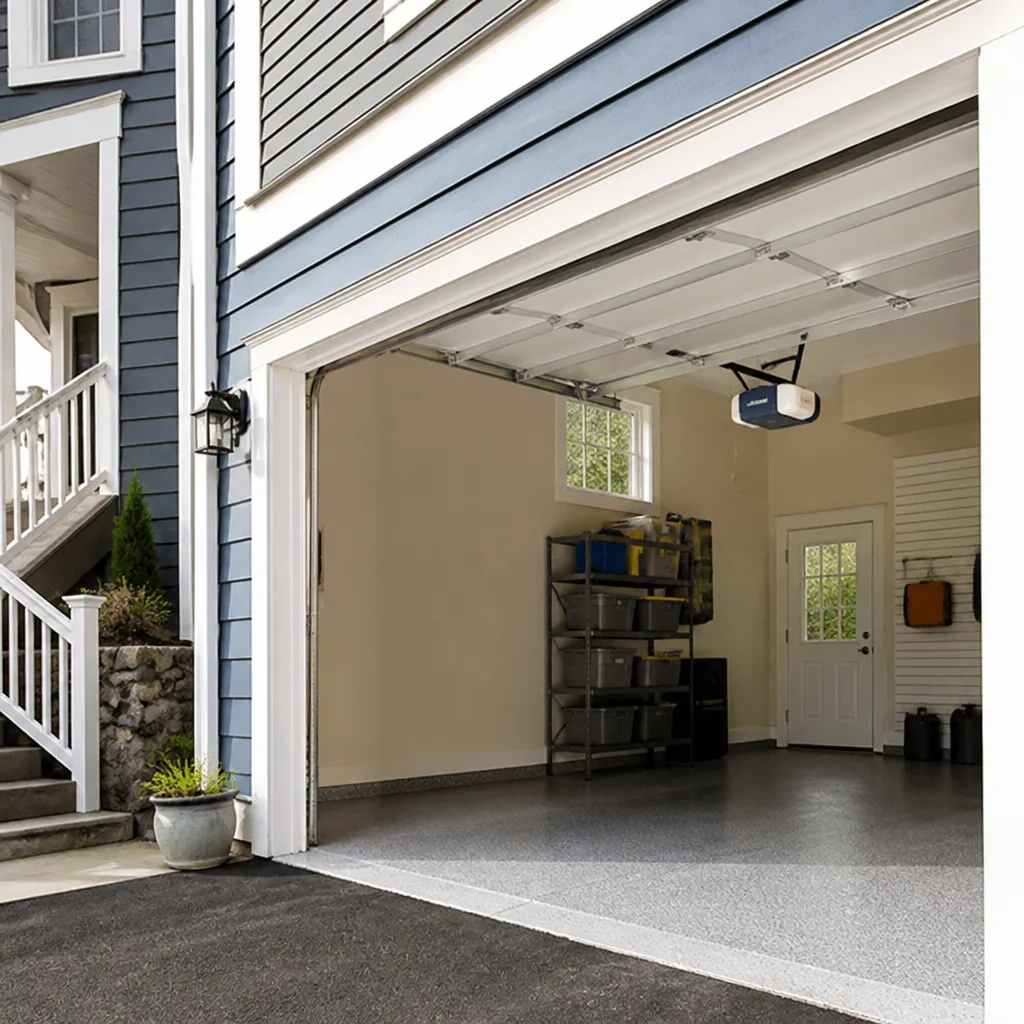 Chamberlain openers
Full 25-point door and opener safety check with every visit - springs, cables, rollers, tracks, and your LiftMaster or Chamberlain opener included
You get a price before we start. It does not change when the pro arrives.
Get your free estimateGarage Door Warning Signs: An Edmond Homeowner’s Reference Guide
A garage door that opens slower than it used to isn’t only an inconvenience. It’s often a sign your opener is straining to lift a door that a weakened spring can no longer balance, and that extra load is what wears motors out early. Most garage doors in Edmond give two to four weeks of warnings before they fail. The problem is that homeowners read those warnings as normal aging. This guide walks through the sounds, sights, and behaviors that mean “almost broken,” explains which signs you can watch and which mean stop using the door, and shows you how to test your own door safely in about half a minute. We work on doors across Edmond every week, and the pattern holds: the people who catch the early signals spend far less time locked out.
Quick Answer
Garage door warning signs in Edmond usually show up as one of four things: a door that opens unevenly or slower than it used to, new noises (grinding, popping, or a single loud bang), visible cable or roller damage you can see from a safe distance, or opener behavior like hesitation, reversal, or a lagging remote. A quick manual balance test tells you whether spring tension is off before any noise even starts. Catch these early and you’re looking at a repair; ignore them and you’re often looking at a full replacement.
Key Takeaways
- Most failures announce themselves two to four weeks ahead through sound, speed, or balance changes.
- A 30-second balance test reveals hidden spring problems before you hear anything.
- Loud bangs, a door that won’t stay up, and frayed cables are stop-using-it-now signs, not watch-and-wait signs.
- Opener hesitation and remote lag are usually symptoms, not the root cause.
- Edmond’s temperature swings from summer heat to winter cold put real stress on springs and cables.
Styles & brands we work with
- Raised-panel steel
- Carriage house
- Modern flush
- Full-view glass
- LiftMaster openers
- Chamberlain openers
Table of Contents
- What Your Door’s Sounds Are Telling You
- The 30-Second Balance Test
- Visual Signs You Can Spot From a Safe Distance
- Opener Behavior Patterns and What They Mean
- Watch-and-Monitor vs. Stop-Using-the-Door-Now
- Why Edmond Doors Show These Signs Sooner
- Common Mistakes to Avoid
- When to Call a Professional
What Your Door’s Sounds Are Telling You
Sound is the earliest warning system a garage door has, and different problems sound genuinely different once you know what to listen for. Here’s how to tell them apart in plain language, without needing to understand the mechanics underneath.
A torsion spring losing tension doesn’t usually announce itself with a bang first. It starts with a subtle groaning or creaking that shows up when the door is partway up, then fades. Think of the sound a heavy door makes when it’s working harder than it should. That groan is the spring no longer carrying its share of the weight, which pushes the load onto your opener. A garage door opener repair call is often what homeowners make first, when the real fix is the spring.
A roller going bad gives you a grinding, rumbling, or scraping sound that follows the door as it travels along the track. It’s usually steady and rhythmic, tied to the door’s movement rather than a single moment. Worn steel rollers get rough and start wearing the track with them.
A cable fraying produces a clicking, snapping, or popping sound at one side of the door, often louder on one side than the other. Cables under tension fail suddenly, so this is one to treat seriously rather than wait on.
A single very loud bang, followed by a door that suddenly feels much heavier or won’t open at all, is the classic signature of a spring that has just broken. That’s not a warning sign anymore. That’s a failure, and the door should not be used until it’s repaired.
In our experience across Edmond, the groaning-spring sound is the one most often misheard as “the door getting older.” It rarely is.
The 30-Second Balance Test
You can check whether your door’s spring tension is off before you ever hear a noise. The balance test takes about 30 seconds and requires no tools. It’s the single most useful thing you can do once a month.
- Close the door fully and pull the opener’s release handle to disconnect it. The door should now move by hand.
- Lift the door about halfway up and stop. Let go.
- Watch what happens. A properly balanced door stays roughly where you left it. It might drift a little, but it holds.
- A door that sinks back down on its own has lost spring tension. A door that’s very hard to lift, or springs up on its own, has too much.
- Reconnect the opener when you’re done.
That’s it. If the door won’t hold its position, the springs aren’t doing their job, and your opener is quietly compensating every time you use it. This is the test that catches problems during the two-to-four-week window before a spring actually breaks. It works on every brand we see, from builder-grade Clopay doors to heavier Wayne Dalton models.
A safety note: never try to adjust, tighten, or replace springs or cables yourself. Those components are under extreme tension and can cause serious injury if handled without the right tools and training. The balance test is safe because you’re only observing. Leave any actual spring or cable work to a trained professional.
Visual Signs You Can Spot From a Safe Distance
You don’t need to touch any hardware to spot the most important warning signs. Stand back, look at the door, and check for these.
- Frayed or worn cables. Look at the cables running along the sides. If you see fraying, kinks, or a cable that looks like it’s coming apart, that’s a stop-using-it sign. Do not touch a cable under tension.
- Gaps at the bottom corners. If the door doesn’t sit flush and one corner hangs lower, the door is out of balance or a cable has slipped.
- Bent or worn tracks. Track that’s clearly bent, dented, or pulling away from the frame means the door isn’t traveling correctly. A door with a damaged track should be stopped until it’s checked.
- Worn rollers and hinges. Cracked, chipped, or very loose rollers and hinges are early wear signs. You can see these without touching anything.
- Loose or missing bolts. Loose hardware along the tracks and hinges is a sign of vibration and wear that’s worth addressing.
In Edmond, we also see weatherstripping along the bottom seal dry out and crack from sun and heat. That’s not a safety issue, but it lets in dust, insects, and hot air, and it’s an easy catch while you’re already looking.
A good habit: once a month, look at the door the way you’d look at your car before a road trip. Most of what matters is visible if you know where to look.
Opener Behavior Patterns and What They Mean
Your opener is often the messenger, not the problem. The way it behaves tells you a lot about what’s actually wrong underneath. Here’s a plain map from behavior to likely cause.
- Hesitation before it starts moving. The opener pauses, then engages. Often this is the motor straining against a door that’s too heavy, which circles back to a weakening spring. It can also point to a failing capacitor or logic board.
- Reversing partway down. The door starts to close, then goes back up. Sometimes it’s the safety sensors, sometimes it’s a force-limit setting reacting to friction in a stiff door.
- Remote lag or short range. The remote takes a second longer or needs to be closer to work. That’s usually a battery, a worn remote, or an antenna or logic issue rather than the motor itself.
- The door won’t respond to the wall button at all. This points to a power, wiring, or logic board issue more than a mechanical one.
Here’s the part most homeowners miss: if you call for opener trouble and the real issue is a spring or a stiff door, replacing the opener won’t fix anything. It’ll just wear out your new opener faster. That’s why we diagnose the door and the opener together, whether it’s a modern smart-home LiftMaster or Chamberlain setup or an older Craftsman unit still running strong. The root cause is what gets fixed. That’s the Edmond Garage Door Service approach to getting it right the first time.
Watch-and-Monitor vs. Stop-Using-the-Door-Now
Not every warning sign is urgent, and knowing the difference saves you both money and risk. Here’s how we sort them.
Watch and monitor
- A slightly slower door that still balances reasonably
- Minor creaking or groaning that shows up now and then
- Weatherstripping that’s starting to crack
- A little loose hardware here and there
- Occasional remote lag
Stop using the door now
- A loud bang followed by a door that won’t lift or feels very heavy
- A door that won’t stay up when you let go (spring failure)
- Visibly frayed cables
- A door that’s come off its track or is badly out of alignment on one side
- A door that reverses immediately and repeatedly without a clear cause
When in doubt, err on the side of stopping. A door held in place by a failing component is a real safety concern, especially in a household with kids or pets. If your door is in the stop-using category, call us. We answer 24/7, with fast dispatch from 7am to 7pm, Sunday through Friday.
Why Edmond Doors Show These Signs Sooner
Edmond sits in a climate that works a garage door hard. Summer heat pushes above 100 degrees on plenty of days, and winter cold snaps bring it back down fast. Springs, cables, and the metal of the door itself expand and contract with those swings, and that cycle is what wears a spring out over time. It’s not that Edmond doors are built differently. It’s that they go through more of that stress annually than doors in a milder climate.
Add in the dust and grit that come with Oklahoma’s dry spells and wind, and you get rollers and tracks that pick up debris faster. That’s why the monthly visual check matters more here than it might elsewhere. The neighborhoods we see most often, from the newer developments south of town to the established streets near downtown Edmond, all show the same pattern: springs and cables are the wear items, and they almost always warn you before they fail.
If you’re not sure what you’re looking at, a garage door repair visit that walks through the whole system is worth more than guessing. We work in Edmond and know the local climate patterns that drive these wear cycles.
Common Mistakes to Avoid
- Assuming a slow door is just old. It’s often a spring losing tension, and waiting lets the opener burn out too. Two problems instead of one.
- Trying to adjust springs or cables yourself. These are under extreme tension and can cause serious injury. A balance test is safe; spring work is not.
- Blaming the opener for a door problem. Hesitation, lag, and reversal are often caused by the door, not the opener. A new opener on a heavy door just fails faster.
- Ignoring a single loud bang. That’s usually a broken spring, not a one-time noise. The door shouldn’t be used until it’s repaired.
- Skipping the monthly visual check. Edmond’s heat, cold swings, and dust make it more useful here than in milder climates, not less.
- Letting a minor track bend go. A slightly bent track stresses the whole system and can take the door off its path. Small fixes stay small when caught early.
See the difference
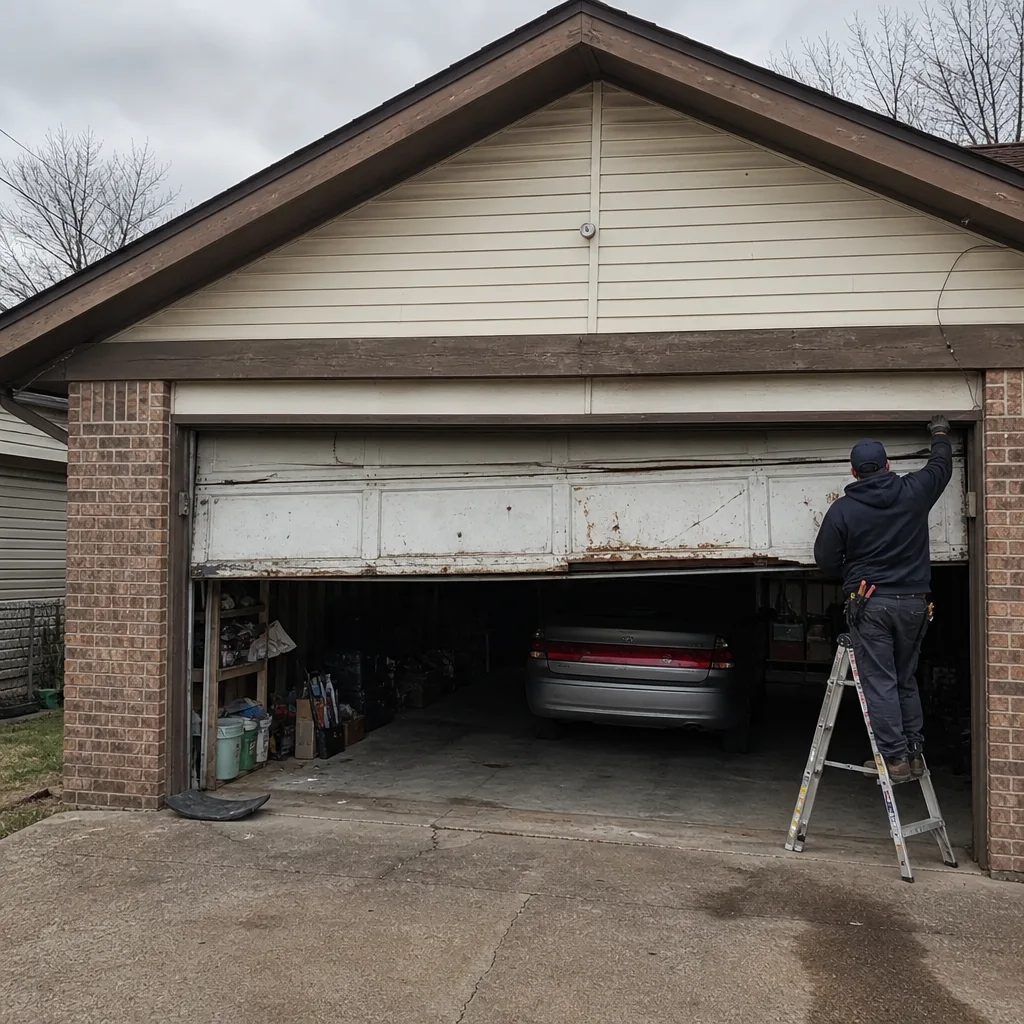 Before
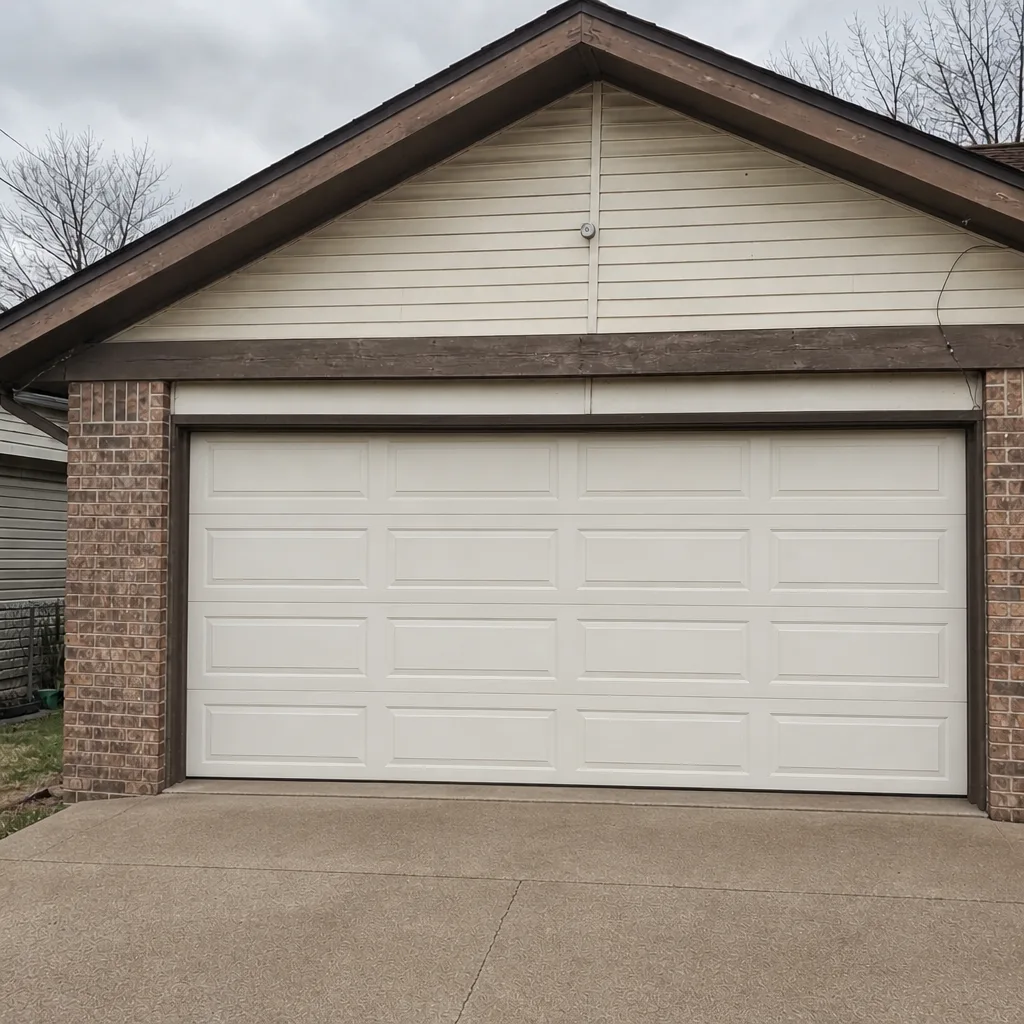 After
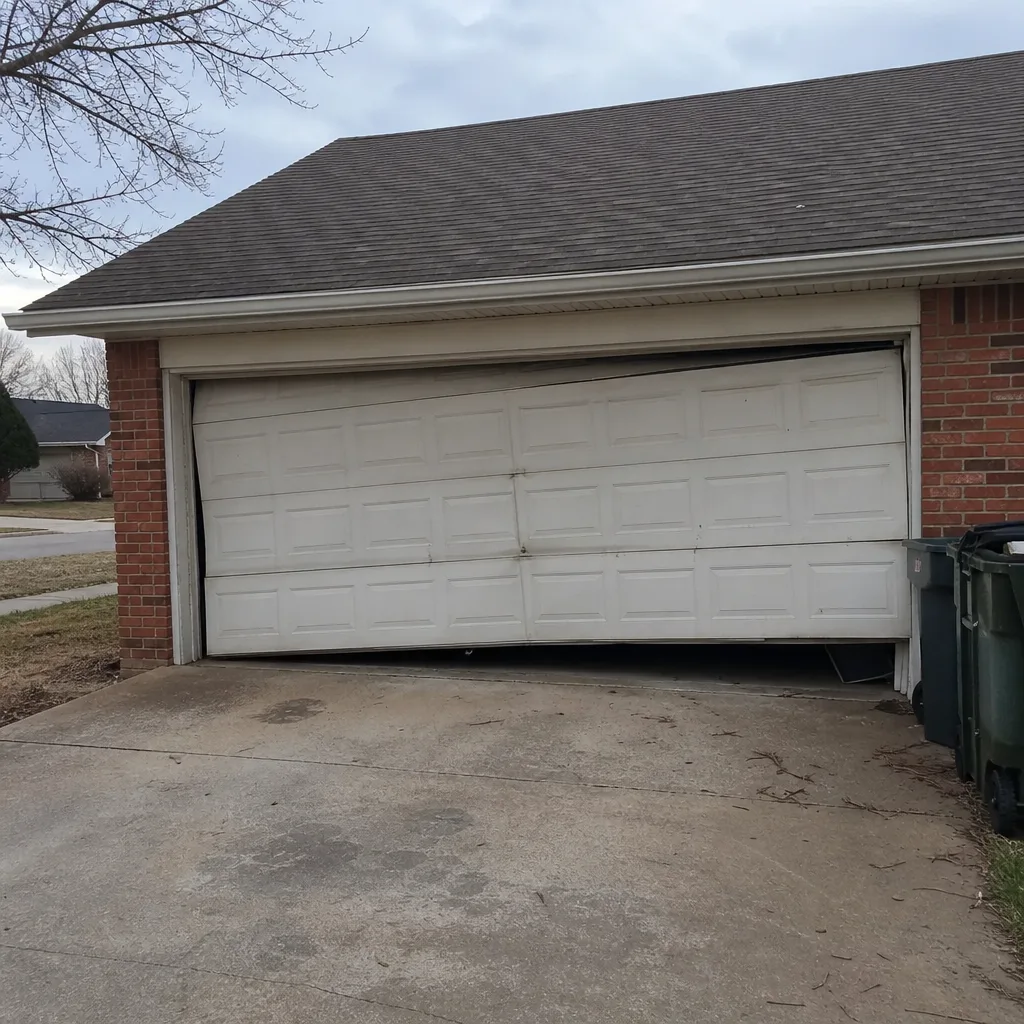 Before
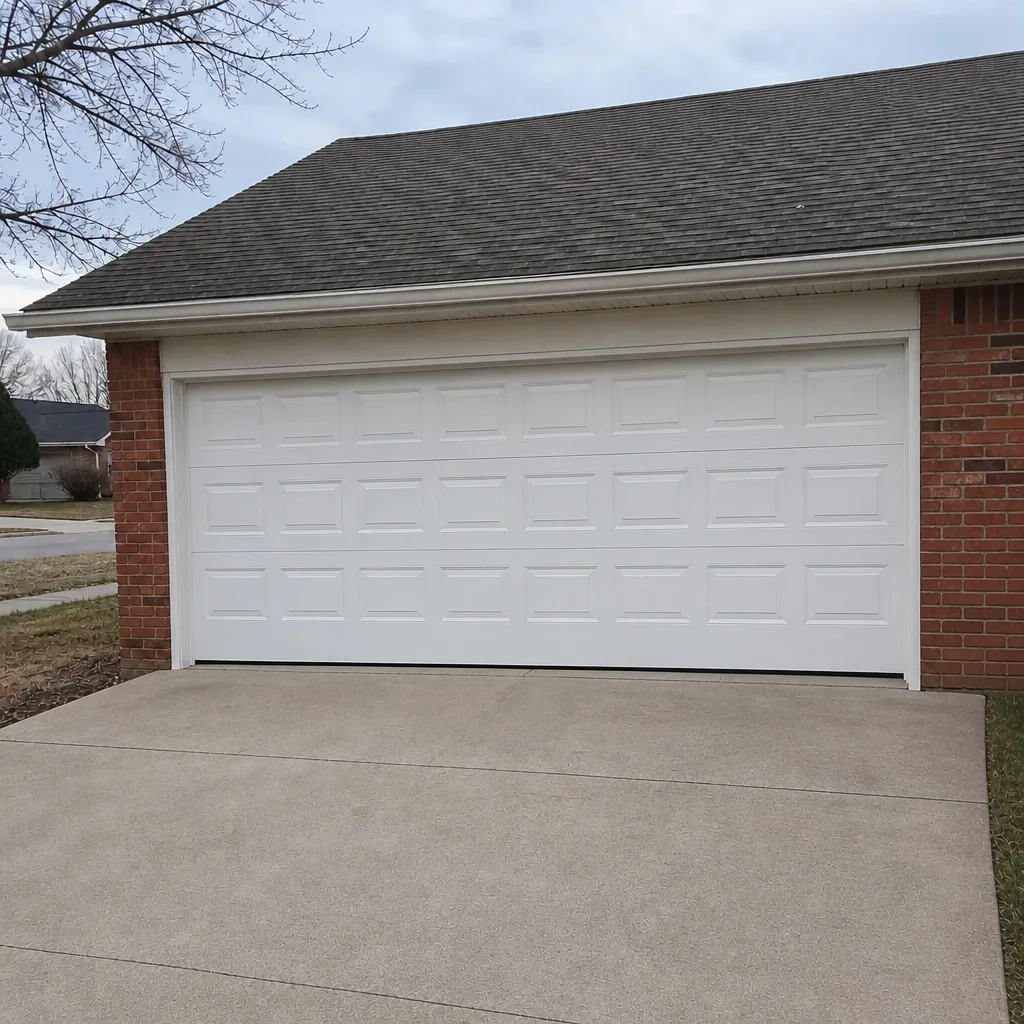 After
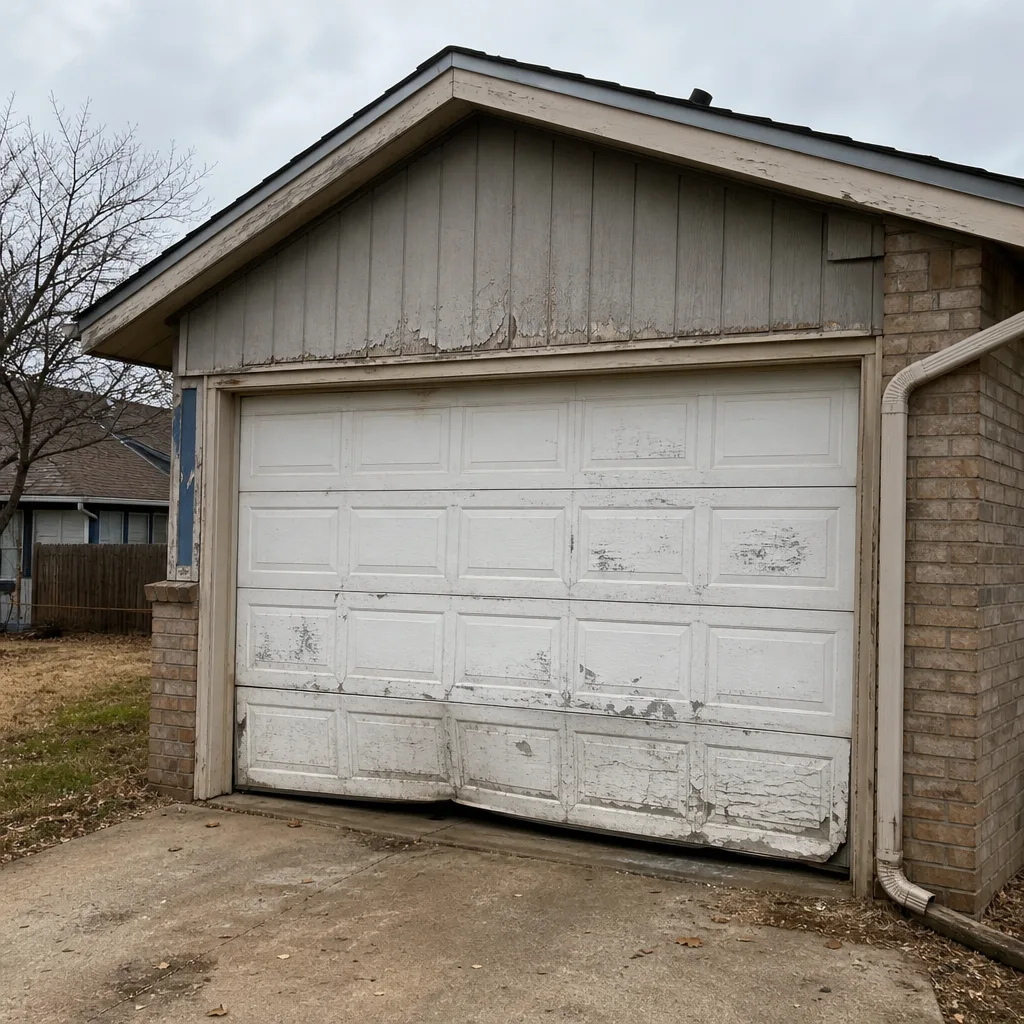 Before
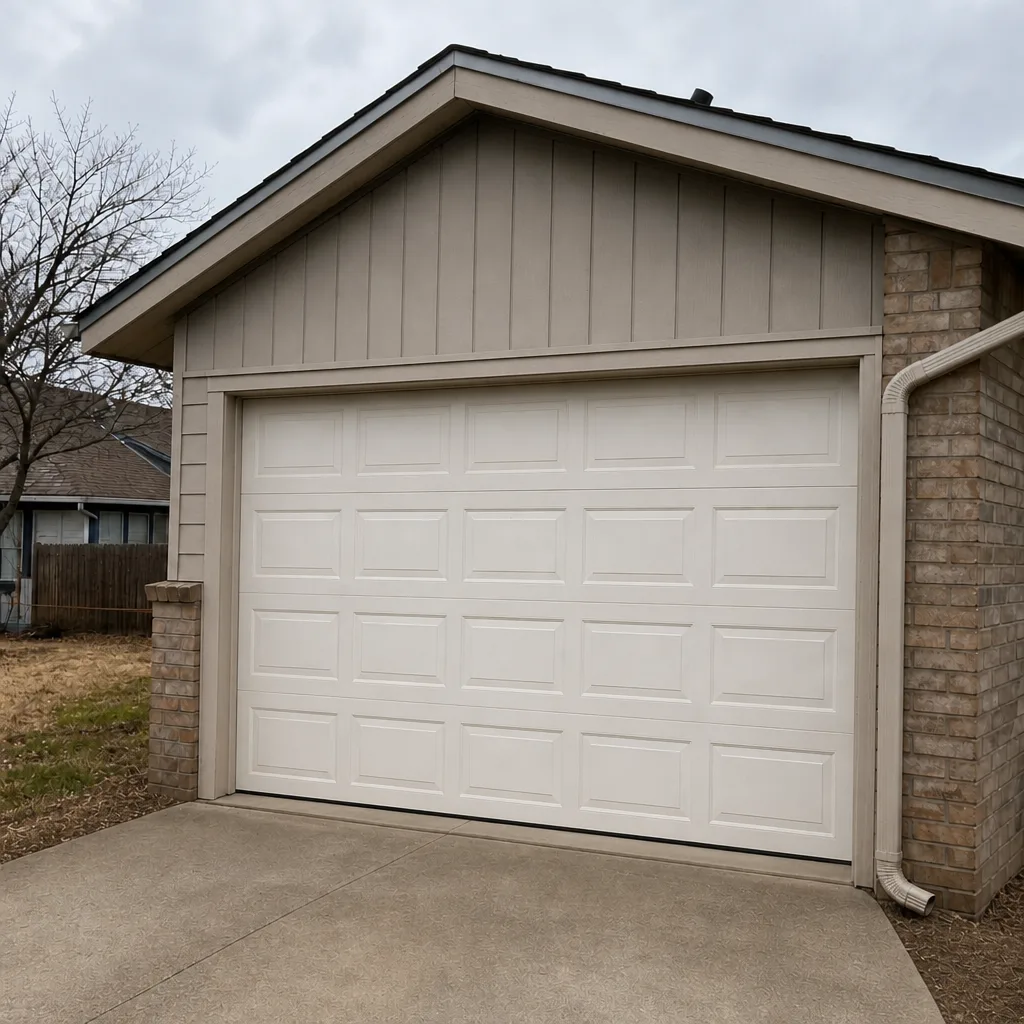 After
When to Call a Professional
Call a professional when you hear a bang, when the door won’t stay up on its own, when you see frayed cables, or when the door is off its track. Those are safety situations, not maintenance items. Also call if the balance test fails, if your opener is straining or reversing repeatedly, or if the door has gotten noticeably heavier to lift by hand. Any of those means the system is working harder than it should, and a proper diagnosis now prevents a bigger repair later. Edmond Garage Door Service offers free estimates in Edmond. Call (833) 545-4561. We answer 24/7. Fast dispatch from 7am to 7pm, Sunday through Friday. There’s no service-call fee, and the price is quoted and agreed before any work starts.
Frequently Asked Questions
The most common are a door that opens slower or unevenly, new groaning or grinding noises, visible cable wear, and opener behavior like hesitation or reversal. A quick balance test catches spring problems before you hear anything.
Yes, the balance test is safe to do yourself because you’re only observing, not adjusting anything. Lift the disconnected door halfway, let go, and see if it holds. Never attempt to adjust springs or cables, which are under extreme tension and can cause serious injury.
A groaning sound usually means a spring is losing tension and the opener is carrying extra weight. It’s worth having checked sooner rather than later, because a failing spring often breaks within a few weeks of the sound starting.
Cost depends on what’s wrong and which parts are involved, so we quote per job after inspecting the door. Call (833) 545-4561 for an exact quote. The estimate is free, and the price is set and agreed before any work begins.
Yes. Same-day service is often available for failures like a broken spring or a door off its track. Call (833) 545-4561. We answer 24/7, with fast dispatch from 7am to 7pm.
No. The written estimate is the price, and it’s agreed before any work starts. If we find something different once we’re on site, we’ll talk it through with you first, so there are no surprises on the invoice.
The Bottom Line
Garage door failures rarely happen without warning. Springs lose tension gradually, cables fray before they snap, and openers strain before they give out. The signs show up two to four weeks ahead in the form of sound, speed, and balance changes, and a 30-second balance test catches most spring problems before you even hear them. Know the difference between watch-and-monitor signs and stop-using-the-door-now signs, and check your door once a month, especially in Edmond’s temperature swings. Catch the warnings early and you’ll turn a full replacement into a simple repair. If something doesn’t sound or look right, we’re here to help.
Call Edmond Garage Door Service at (833) 545-4561 for a free estimate. We answer 24/7. Fast dispatch from 7am to 7pm, Sunday through Friday. Our technicians have up to 10 years of experience, we’re licensed and insured, and we work on the brands you already own, from LiftMaster openers to Clopay and Amarr doors. The price is quoted and agreed before any work starts. If a door fails on a Saturday, we’re closed that day, but call and we’ll book you for Sunday.
Written by the team at Edmond Garage Door Service.