
Last updated November 16, 2026
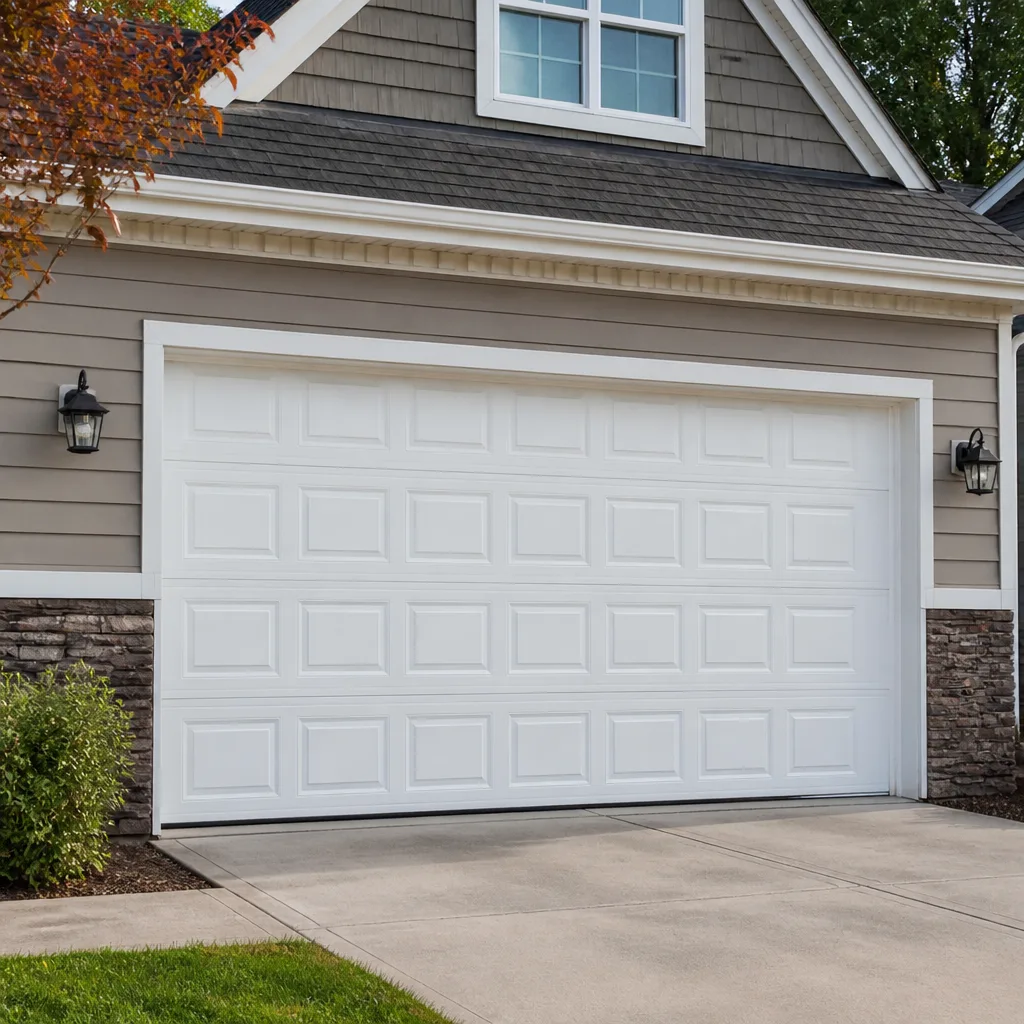 Raised-panel steel
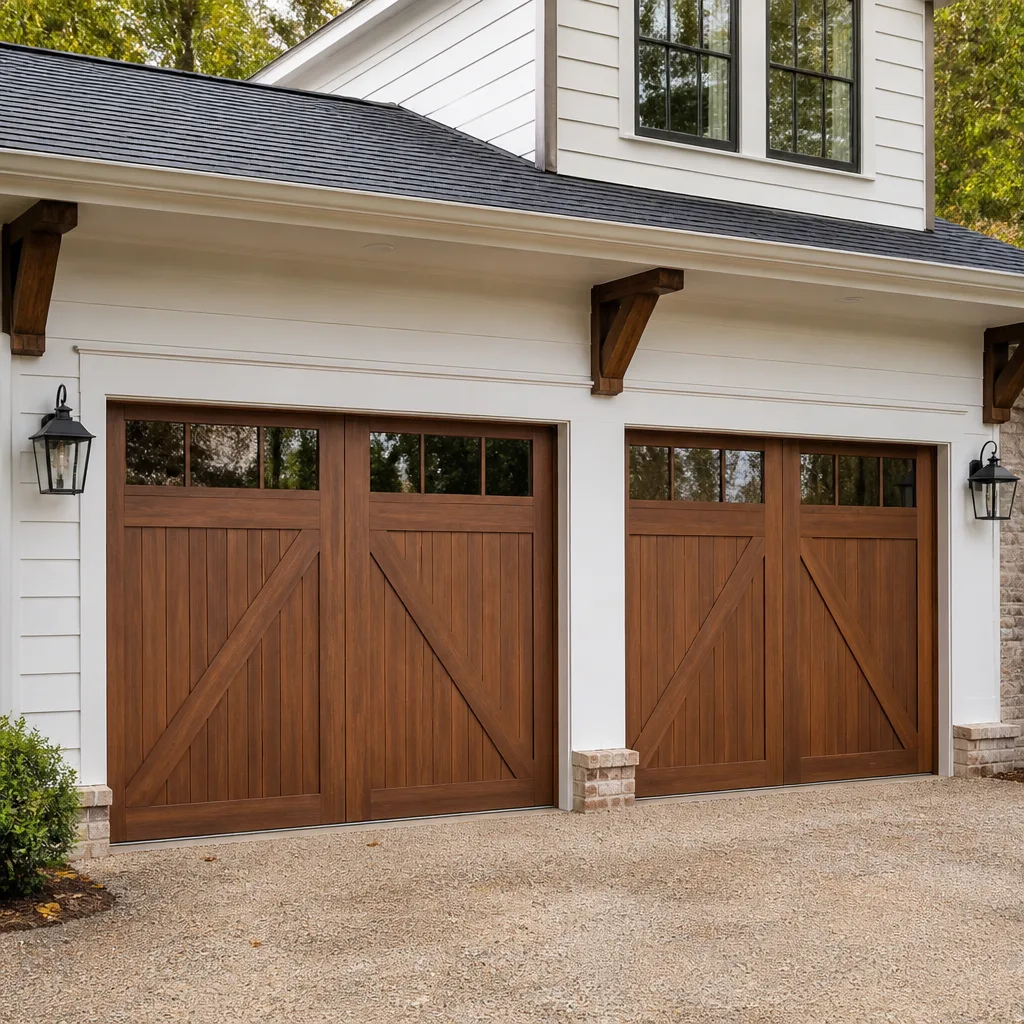 Carriage house
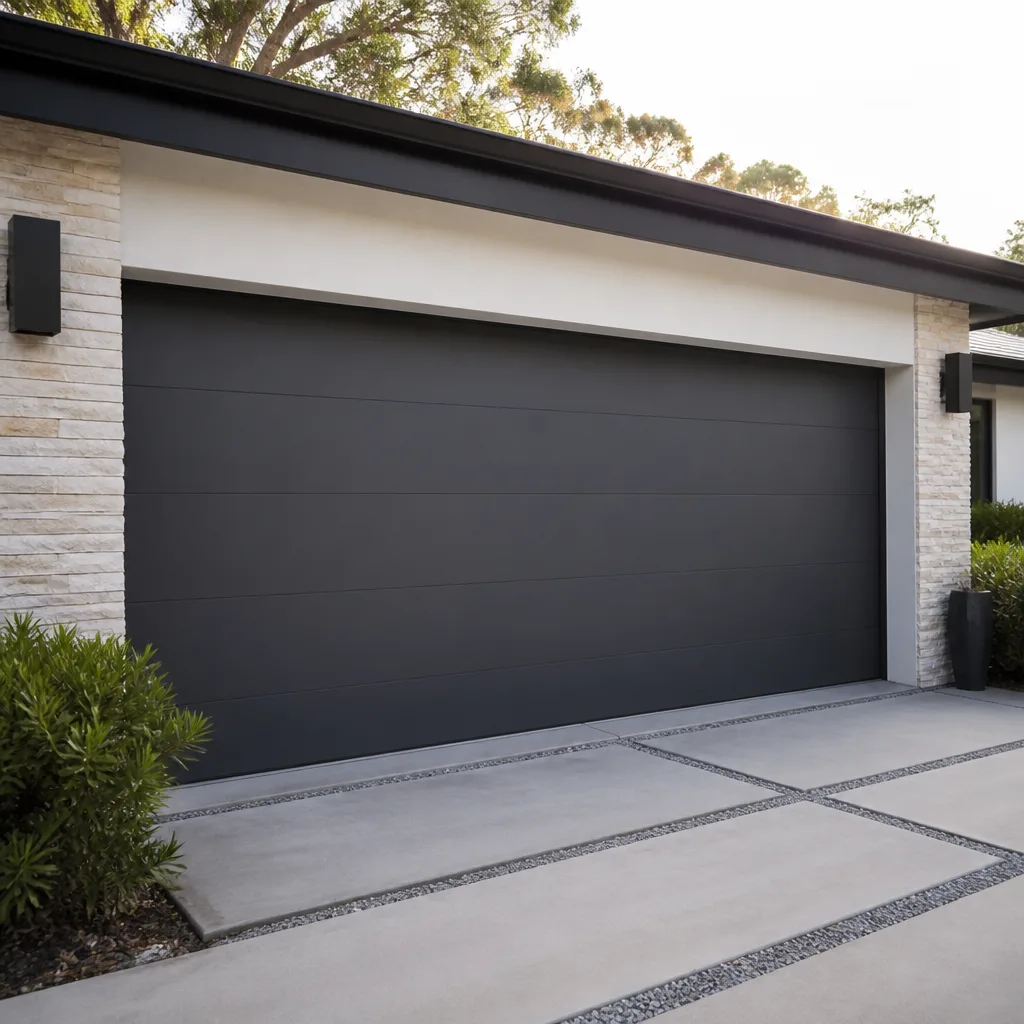 Modern flush
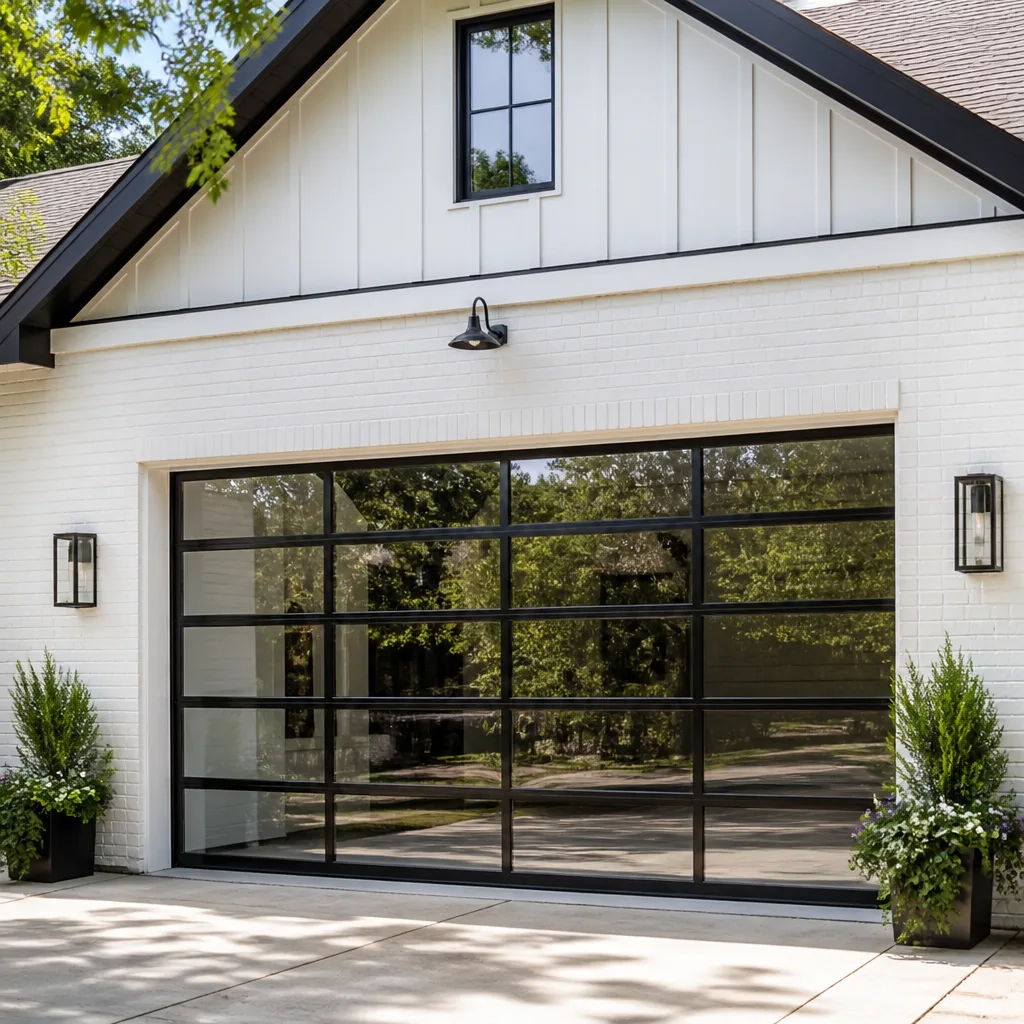 Full-view glass
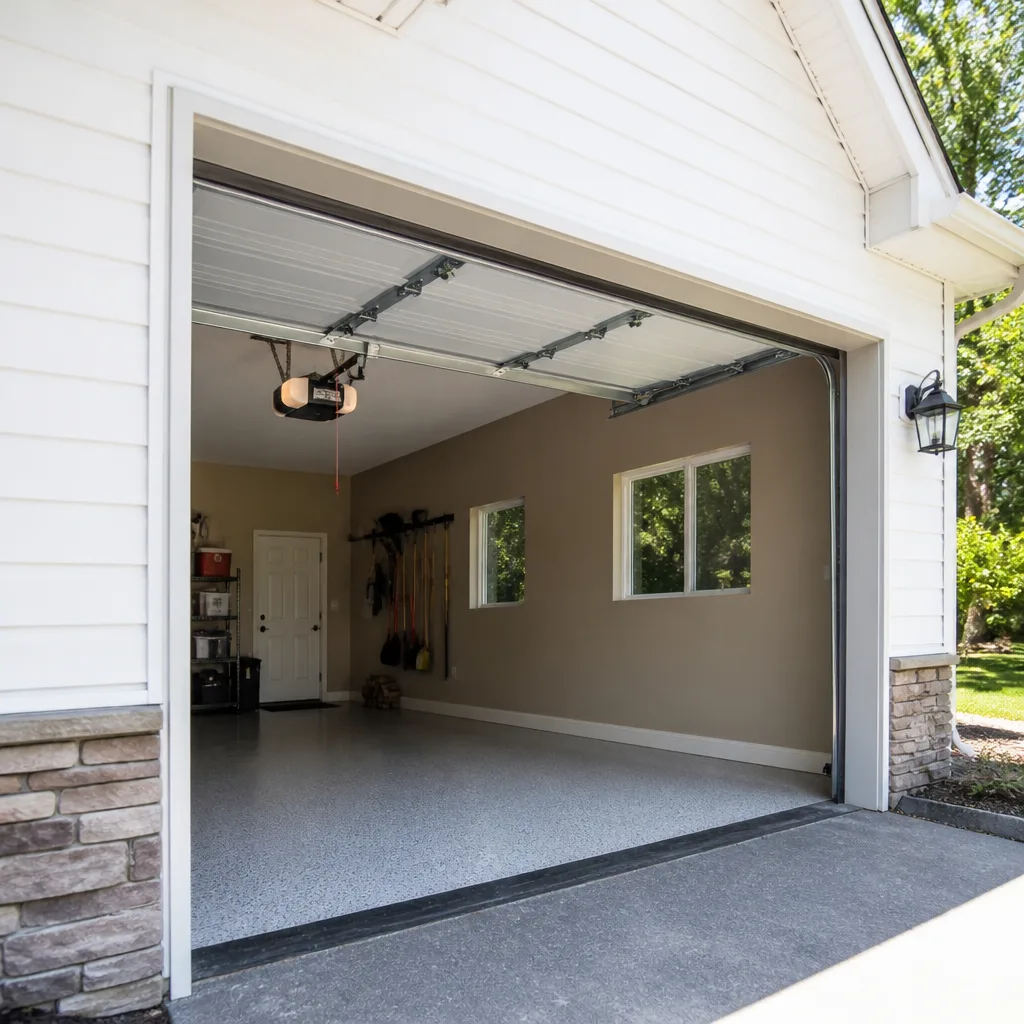 LiftMaster openers
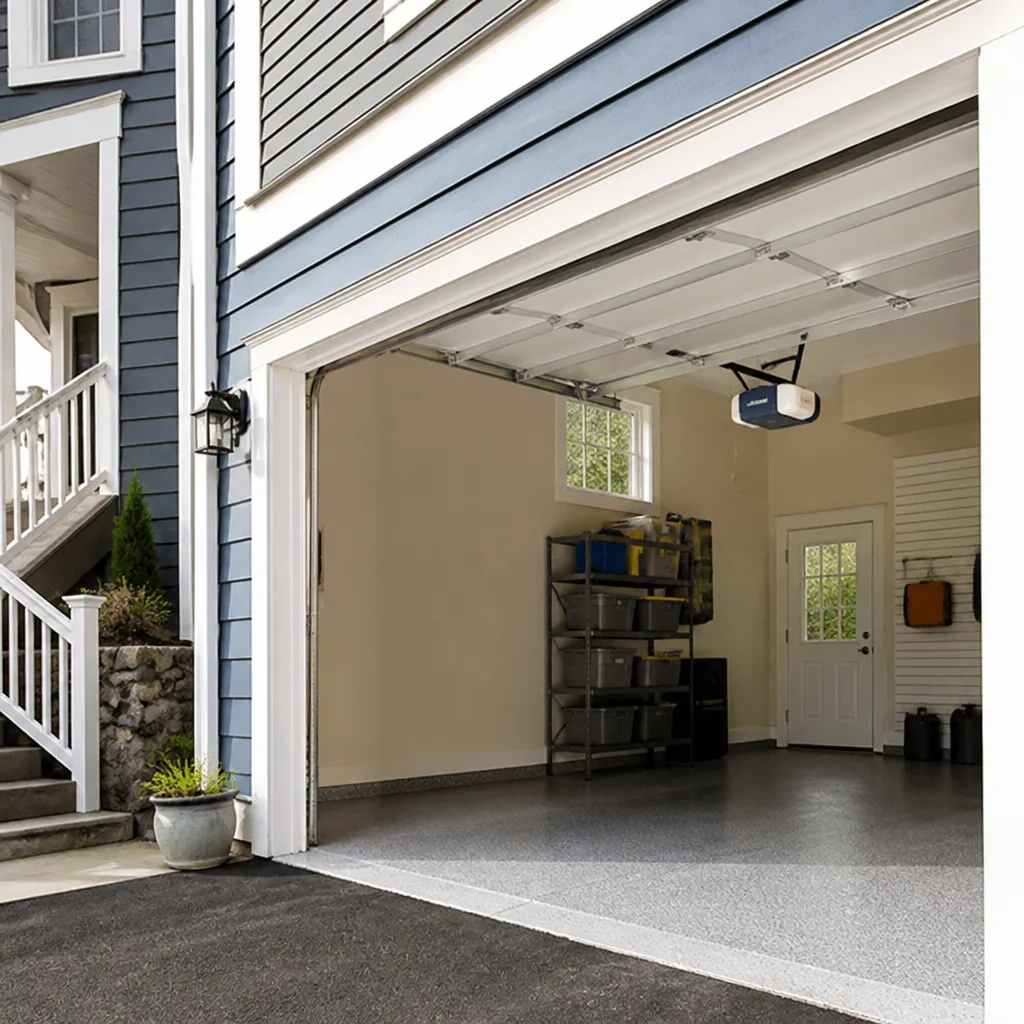 Chamberlain openers
Full 25-point door and opener safety check with every visit - springs, cables, rollers, tracks, and your LiftMaster or Chamberlain opener included
You get a price before we start. It does not change when the pro arrives.
Get your free estimateGarage Door Repair Troubleshooting in Edmond: Common Problems and How to Fix Them
Two doors can look identical from the street and fail for completely different reasons. One reverses halfway down and stops; another reverses only after it touches the floor. Most troubleshooting advice treats both as “the sensor is blocked,” which is why so many Edmond homeowners end up adjusting the wrong part, or paying for a repair that never addressed the real failure. A garage door is a system: springs, cables, track, rollers, panels, sensors, and a logic board all have to agree before the door moves correctly. When they don’t, the symptom you see is rarely the part that failed. This guide maps what your door is doing to what’s actually broken, explains how Oklahoma’s temperature swings change the equation, and draws a clear line between what you can safely check yourself and what needs a trained technician.
Styles & brands we work with
- Raised-panel steel
- Carriage house
- Modern flush
- Full-view glass
- LiftMaster openers
- Chamberlain openers
Quick Answer
Most garage door problems in Edmond trace back to one of four culprits: a failing spring, a misaligned or sun-blinded safety sensor, a force or travel setting that’s drifted out of range on the opener, or worn rollers and hinges causing binding. A door that won’t move at all is usually a spring, cable, or power issue, while a door that moves but grinds, reverses, or stops short is usually an opener setting, sensor, or hardware problem. Diagnosing which one you’re dealing with before you touch anything is the difference between a ten-minute adjustment and an unnecessary service call.
Table of Contents
- Symptom-to-Cause Matrix: What Your Door Is Telling You
- How Oklahoma Temperature Swings Affect Your Garage Door
- The Force Setting Problem: When Your Door Isn’t Actually Broken
- Safety Sensor Troubleshooting Beyond “Check for Obstructions”
- Grinding, Squealing, and Banging: What the Noise Means
- Opener and Remote Problems: When It’s the Motor, Not the Door
- The DIY Threshold: What’s Safe to Check and What Isn’t
- Brand-Specific Considerations for Edmond Homes
Symptom-to-Cause Matrix: What Your Door Is Telling You
The fastest way to troubleshoot a garage door is to stop describing the problem as “it won’t work” and start describing exactly what it does. The behavior narrows the suspect list in seconds. Here’s how we map symptoms to causes in Edmond homes:
- Door doesn’t move at all, opener light is on but no sound: Usually a safety sensor fault or a logic board issue. The opener thinks something is in the way and refuses to close, or the board has faulted out.
- Door doesn’t move, opener hums or clicks: A broken spring or snapped cable. The motor is trying, but the door is too heavy to lift without spring assistance.
- Door reverses mid-travel (before reaching the floor): Almost always a safety sensor or a force setting that’s too sensitive. Occasionally a binding track or a worn roller catching on a joint.
- Door reverses after touching the floor: The close-force limit is set too low, or the bottom seal is catching. Different problem, different fix than a mid-travel reversal.
- Door moves but makes grinding or scraping noise: Worn rollers, dry hinges, or a track that’s been knocked out of alignment.
- Door opens a foot then stops: A travel limit setting that’s drifted, or a photo-eye that’s losing its beam as the door rises past it.
- Door is crooked or binds on one side: A stretched or frayed cable, a broken spring on one side of a two-spring system, or a bent track.
Notice how many of these point back to the opener’s settings rather than a broken mechanical part. In our experience, a meaningful share of “broken” doors in Edmond are simply openers that need a force or travel adjustment, which is why we always check the settings before quoting parts.
How Oklahoma Temperature Swings Affect Your Garage Door
A door that glides up and down all summer can start binding in January, and nothing about the door changed. The weather did. Central Oklahoma swings between hot summer afternoons and cold winter mornings, and that range works on every metal part of your garage door.
Steel expands when it’s hot and contracts when it’s cold. The tracks, panels, and the torsion bar all move a little with the temperature, and when a track contracts, it can pinch the rollers slightly. Springs are the bigger story. Torsion and extension springs are under constant tension, and cold metal gets less ductile, which means an already-weakened spring is more likely to fail on the first cold morning of the season than in July. We see a clear spike in broken-spring calls after the first hard freeze each winter, and it’s not a coincidence.
The other Oklahoma factor is windblown grit. Edmond sits where the wind carries dust and grit into garages through gaps around the door, and that grit settles into roller bearings and hinge pivots. Over a season it turns clean lubricant into a gritty paste that accelerates wear. A door that squeaked slightly in October can be grinding by March because the grit never got cleaned out. If you want a seasonal habit, lubricating rollers, hinges, and the spring with a proper garage door lubricant before summer and again before winter does more for longevity in Edmond than almost anything else.
The Force Setting Problem: When Your Door Isn’t Actually Broken
Here’s the frustrating truth: many garage doors that “don’t close” aren’t broken at all. They have an opener whose force setting has drifted out of range, and the door is doing exactly what it’s been told. The opener is designed to reverse if it meets resistance, and the force setting tells it how much resistance to expect. As springs weaken and hinges stiffen with age, the door becomes slightly harder to move, and eventually it exceeds the force threshold. The opener reads that extra effort as an obstruction and reverses.
Chasing this symptom by adjusting the force setting is where homeowners get into trouble. Crank the force too high and the opener pushes through real obstructions instead of reversing, which defeats the safety feature. The right fix is usually to address what’s making the door harder to move (worn rollers, dry hinges, a weakening spring) and then reset the force to the manufacturer’s spec. Here’s the sequence a technician works through:
- Disconnect the opener and operate the door by hand to feel where it binds.
- Clean and lubricate rollers, hinges, and the spring.
- Check the door’s balance: a properly balanced door should hold position at the halfway point when raised by hand.
- Inspect the springs and cables for wear or damage.
- Only then adjust force and travel limits to the opener’s spec.
- Test the safety reverse with a solid object under the door to confirm it still reverses.
Steps four and five are where the danger lives. Never operate a door by hand that has a broken spring or a frayed cable. If you disconnect the opener and the door feels extremely heavy or won’t lift, reconnect it and call a professional. That’s a spring problem, and we’ve covered why that isn’t a homeowner job below.
Safety Sensor Troubleshooting Beyond “Check for Obstructions”
Every guide says the same thing: check the sensor eyes for obstructions and wipe them clean. That works maybe half the time. The other half, the real problem is something more specific to your setup. Here are the failure modes we actually find on Edmond doors:
- Alignment drift: The two sensor eyes have to point at each other. A slightly bumped bracket, a door that vibrates a little on every cycle, or a track that’s shifted can nudge one eye a few degrees off. If the opener’s status light blinks a certain pattern (check your opener manual), alignment is the first suspect.
- Sun interference: Low-angle late-afternoon sun hitting the receiving eye can wash out the infrared beam, especially in garages facing west. If your door only acts up at the same time of day, sun is the likely culprit. A slight bracket adjustment or a sensor hood fixes it.
- Wire damage: The thin wires running from the opener down to the sensors are fragile. In Edmond’s summers, UV exposure and heat can crack the insulation, and a garage that sees seasonal pest activity can end up with a chewed wire. If one sensor isn’t getting power (no LED lit), check the wiring run back to the opener.
- Moisture on the lens: After a heavy rain or a humid stretch, condensation on the sensor lens can block the beam. This usually resolves on its own, but if it recurs it can indicate the sensors sit in a spot that stays wet.
Start by confirming both sensors have a solid LED lit. If one doesn’t, that’s your problem. If both are lit but the door still reverses, look at alignment and sun. The sensors should be mounted about six inches off the floor and aligned so the beams hit each other squarely.
Grinding, Squealing, and Banging: What the Noise Means
Noise is the most ignored symptom on a garage door, and it’s usually the earliest warning you’ll get. Match the sound to the cause:
- Squealing or high-pitched scrape: Dry rollers or hinges. Lubrication is the first fix, and if it doesn’t resolve, the rollers are likely worn flat and need replacing.
- Grinding or rumbling: Worn bearings in the rollers, or grit accumulated in the hinges. In Edmond’s dusty seasons, this one shows up often.
- Banging or popping: A worn torsion spring, a loose hinge, or a panel that’s come slightly out of its track. A popping sound on cycle is worth a quick inspection before it becomes worse.
- Repeated thumping at one spot in the travel: A slightly bent track or a roller that’s jumped the rail at one location.
Notice we didn’t list “loud” as a symptom by itself. Older doors are simply louder than new ones, and a builder-grade door from 2005 will always be noisier than a modern insulated model. The question is whether the noise is new. A door that suddenly got louder is telling you a part is failing. If the noise is accompanied by binding, crooked travel, or a broken spring, stop operating it and get it looked at rather than continuing to run a damaged system.
Opener and Remote Problems: When It’s the Motor, Not the Door
When the door won’t respond to the remote but the wall button works fine, the problem isn’t the door, it isn’t the springs, and it isn’t the opener’s motor. It’s the remote or the receiver, and it needs a different troubleshooting path entirely. Here’s how to sort out opener-specific problems:
- Test the wall control button. If it works but the remote doesn’t, the door and motor are fine and you’re chasing a remote or receiver issue.
- Change the remote battery first. It’s the most common cause and costs almost nothing to rule out.
- Reprogram the remote to the opener. If a new battery doesn’t help, the remote may have lost its pairing.
- Check for interference from nearby devices, LED bulbs, or a neighbor’s opener on the same frequency.
- If a smart-home opener (LiftMaster or Chamberlain with myQ, for example) won’t respond to the app but works from the wall, the problem is connectivity, not mechanical.
Modern smart-home openers add a layer of troubleshooting that legacy openers never had. If your LiftMaster or Chamberlain opener is connected to a home network and the app stops working, that’s a Wi-Fi or firmware issue. A Genie or Craftsman opener with a battery backup can also behave oddly if the backup battery has degraded, particularly in cold weather. The important insight is that opener troubleshooting and door troubleshooting are separate tracks: an opener problem is about the motor, the receiver, the logic board, or the connection, and a door problem is about the springs, cables, track, and panels. Getting the track right saves you from paying for parts you don’t need. For the motor-side issues, we handle garage door opener repair alongside the mechanical work so both get sorted in one visit.
The DIY Threshold: What’s Safe to Check and What Isn’t
Some garage door problems are genuinely DIY-safe. Others can seriously injure you, and the line between them isn’t always obvious. Here’s where we draw it:
Safe to check or fix yourself:
- Lubricating rollers, hinges, and the torsion spring with a proper garage door lubricant.
- Wiping sensor lenses and checking that both have a lit LED.
- Replacing remote batteries and reprogramming remotes.
- Tightening visible bolts on hinges and the door’s hardware (not the spring system).
- Clearing obvious obstructions from the door’s path.
- Adjusting safety sensor alignment if the brackets are accessible and you don’t need to touch the springs or cables.
Stop and call a professional:
- A broken torsion or extension spring. Torsion springs store enormous energy. Releasing one improperly can cause severe injury, and this is one of the most dangerous repairs in the home.
- Frayed, kinked, or snapped cables. Cables are under tension and can whip violently if they fail.
- A door that won’t lift by hand even with the opener disconnected.
- Track that’s bent, twisted, or separated from the wall.
- Any adjustment that requires releasing spring tension.
- A door that’s crooked or hanging off one side.
Our rule of thumb: if the repair involves the spring, the cable, or releasing stored energy, it’s a job for a trained technician. Everything downstream of those parts (sensors, remotes, lubrication) is fair game.
Brand-Specific Considerations for Edmond Homes
Edmond’s housing stock includes a wide range of garage door brands, from builder-grade doors installed when the subdivision was built to premium insulated doors on newer custom homes. Knowing which brand you have makes troubleshooting faster, because each brand has its own opener quirks and part availability.
LiftMaster and Chamberlain share a lot of engineering, so their diagnostic patterns are similar. Both use photo-eye safety sensors and both have clear status-light codes that point to specific faults. Craftsman openers, common on homes built in the 1990s and early 2000s, use a different logic board architecture and have their own diagnostic light patterns; parts for older Craftsman units are still available, but a tech who knows the model line saves time. Raynor makes both doors and openers, and their doors are common on Edmond homes where the door is original and only the opener has been replaced.
For door brands, Clopay, Amarr, and Wayne Dalton are the most common names we see, each with a different panel construction and hinge pattern. The point isn’t to memorize brand names; it’s that a technician who works across all these brands can diagnose the actual failing part instead of guessing. We work on your brand, whether that’s an older Craftsman opener with a tired logic board or a newer LiftMaster with a connectivity issue. Rather than running a list of brand names, we keep the diagnostic process the same and let the specific model guide the fix.
If you’re not sure what brand you have, look for a label on the opener’s motor housing or on the door’s bottom panel. That one piece of information narrows the troubleshooting considerably. If you can’t find it, a photo of the opener and the door taken from a few feet back is usually enough for us to identify the system over the phone. And if your door has reached the end of its life, our garage door repair team can walk you through whether repair or replacement makes more sense, since we handle both under one roof.
Common Mistakes to Avoid
- Adjusting force settings to compensate for a failing spring. Increasing force can force a door through resistance it shouldn’t push through, defeating the safety reverse feature. Fix what’s binding first, then reset the force.
- Skipping lubrication before summer. Edmond’s heat and grit combine to turn dry rollers into grinding ones. A quick seasonal lubrication prevents most noise and premature wear.
- Forgetting a manual override after a power outage. After reconnecting the opener, test the safety reverse before trusting the door to operate normally.
- Assuming “reverses mid-travel” and “reverses on the floor” are the same problem. They aren’t. One is a sensor or force issue, the other a close-force or bottom seal issue.
- Ignoring a popping or snapping sound on cycle. That sound is usually a worn spring warning you before it breaks. Don’t wait for a snap.
- Trying to fix a broken spring yourself. This is the single most dangerous DIY mistake in home maintenance and the leading cause of garage door injuries.
- Replacing parts one at a time without diagnosing. A technician who diagnoses first fixes the right thing the first time, which is cheaper than three service calls and a new opener.
When to Call a Professional
If your door won’t lift by hand with the opener disconnected, if you see a broken spring or a frayed cable, if the door is crooked or hanging off one side, or if the track is bent away from the wall, stop using it and call. These symptoms mean the door isn’t safe to operate, and continuing to cycle it can make the repair more expensive or cause an injury. If your remote doesn’t work but the wall button does, the door itself is safe and a technician can usually sort out the opener in one visit.
Edmond Garage Door Service offers free estimates in Edmond. Call (833) 545-4561. We answer 24/7. Fast dispatch from 7am to 7pm, Sunday through Friday. Our technicians have up to 10 years of experience across the major garage door and opener brands, and every price is quoted and agreed before any work begins.
Frequently Asked Questions
Most garage door repairs in Edmond fall into a range that depends on the part and the job, not a single flat fee. A sensor or force adjustment is at the low end, a roller and hinge replacement sits in the middle, and a torsion spring replacement is at the higher end because of the labor and safety involved. The written estimate you get before work starts sets the final price, so there are no surprises. Call (833) 545-4561 for a free estimate.
We can often schedule same-day service for repair calls. Call early and we’ll find the earliest opening. Call (833) 545-4561. We answer 24/7. Fast dispatch from 7am to 7pm, Sunday through Friday.
No. We quote the price after diagnosing the problem and we agree on it with you before any work begins. If we discover a second issue mid-repair, we tell you before we touch it so you can decide. The written estimate is the price.
Yes, our technicians are experienced, and we work with insured professionals. Repairs are handled by technicians who specialize in garage doors rather than general handymen splitting attention across trades, and we service all the major door and opener brands.
Cold weather causes steel tracks to contract slightly and springs to become less ductile, which makes a worn door harder to move. A spring that’s already weakened is far more likely to break on the first cold morning. Lubricating before winter helps, but if the door is binding consistently in cold weather, the springs and rollers need inspection.
No. Torsion and extension springs are under extreme tension, and releasing that tension improperly can cause serious injury. A broken spring should always be handled by a trained technician. Call (833) 545-4561 for a free estimate.
The Bottom Line
A garage door that won’t work correctly is almost never telling you the whole story. It’s telling you a symptom, and the symptom points to a root cause somewhere else in the system: a spring that’s lost tension, a sensor that’s drifted a few degrees, an opener force setting that’s out of spec, or grit in the rollers. Diagnose the symptom first, decide whether it’s a safe DIY check or a job for a trained technician, and only then think about parts. That sequence is what gets the fix right the first time, and it’s how we approach every garage door we work on in Edmond.
If you’ve mapped your door’s behavior to a cause and you’re still not sure what to do, call us. Edmond Garage Door Service handles repair, opener repair, and installation for every major brand, and we’re available through our Edmond service line and online at Edmond Garage Door Service. You can learn more about our Edmond service area and how we work there. Call (833) 545-4561. We answer 24/7. Fast dispatch from 7am to 7pm, Sunday through Friday. Free estimates, upfront pricing, and no work starts until you’ve agreed to the quote.
Written by the team at Edmond Garage Door Service.
See the difference
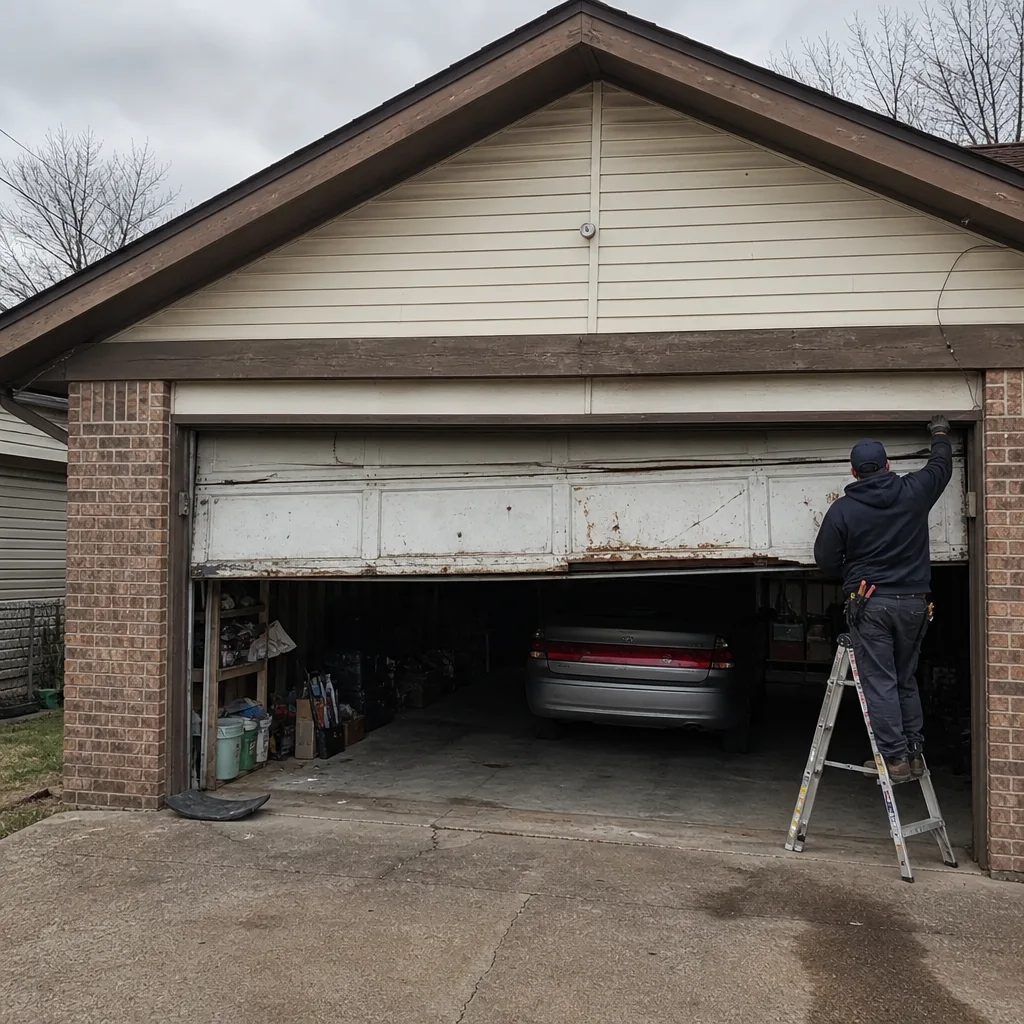 Before
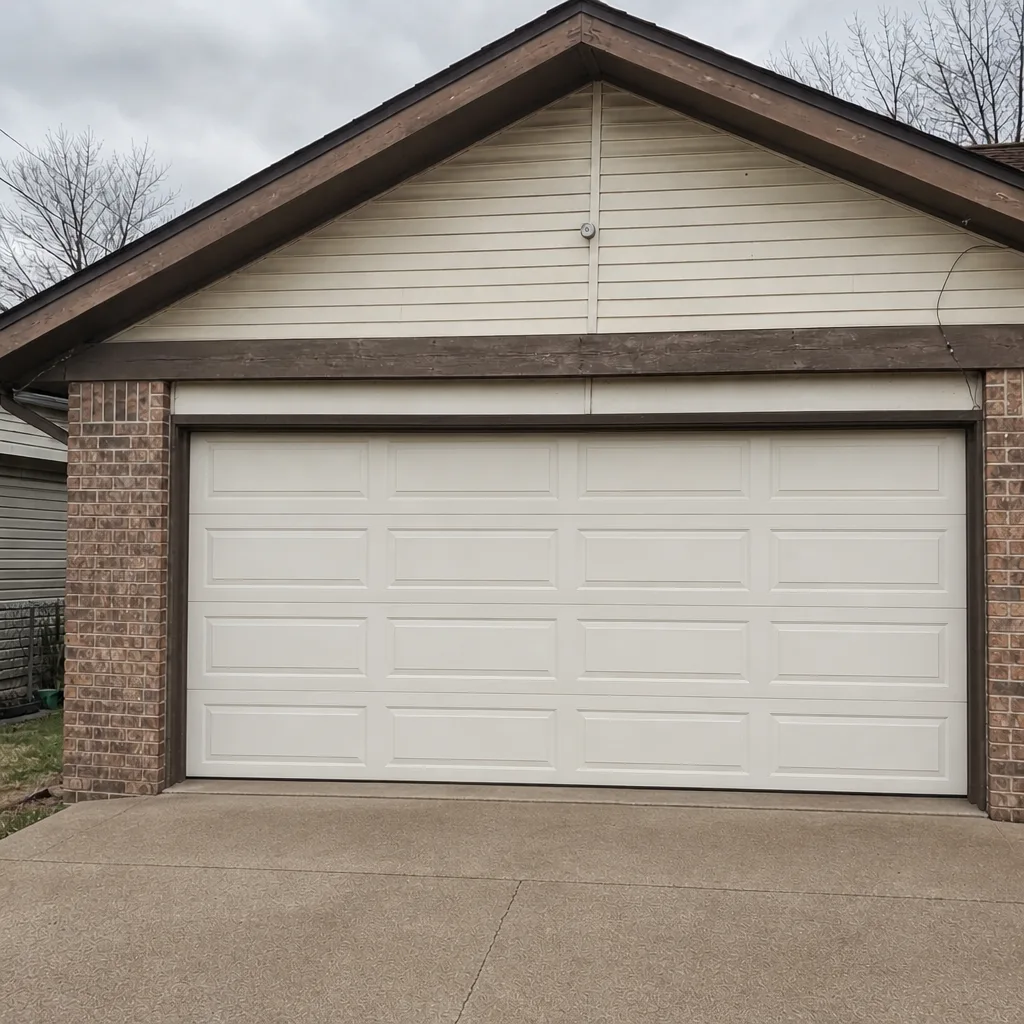 After
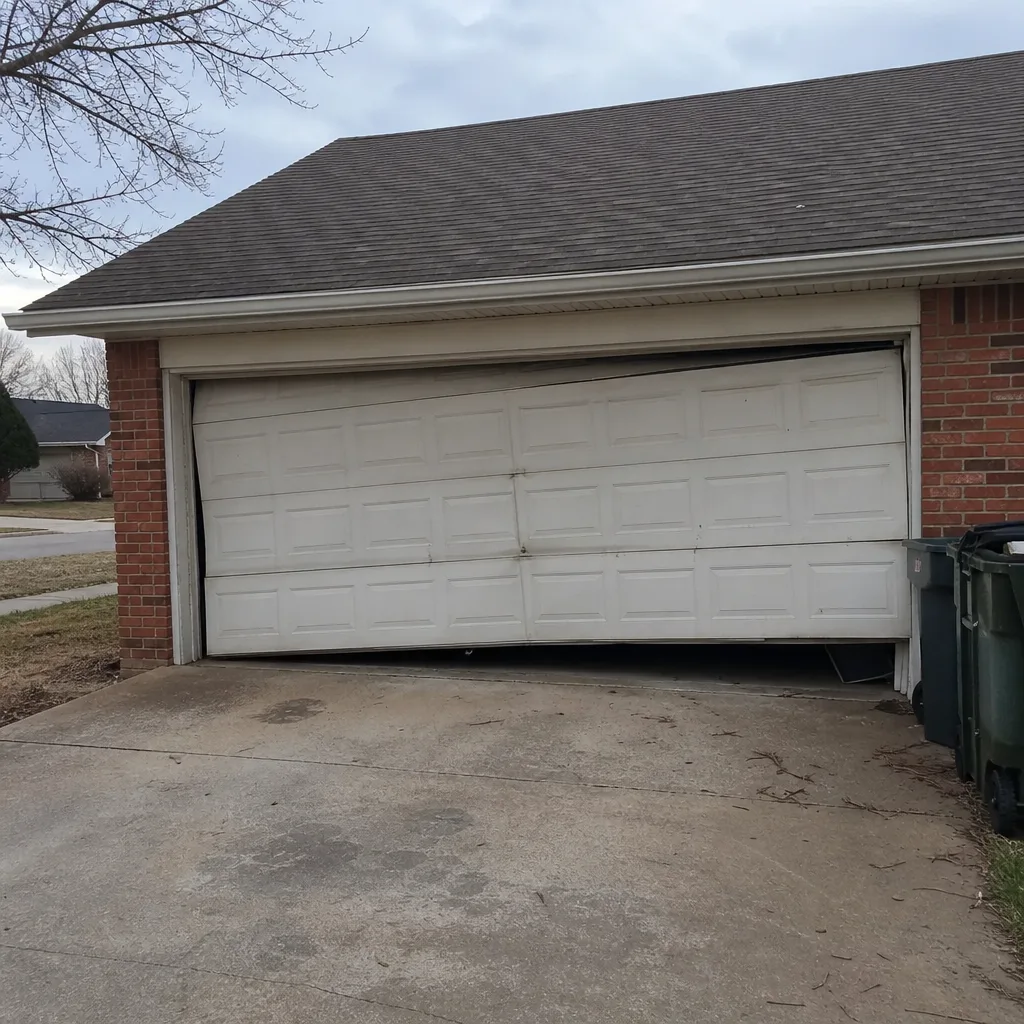 Before
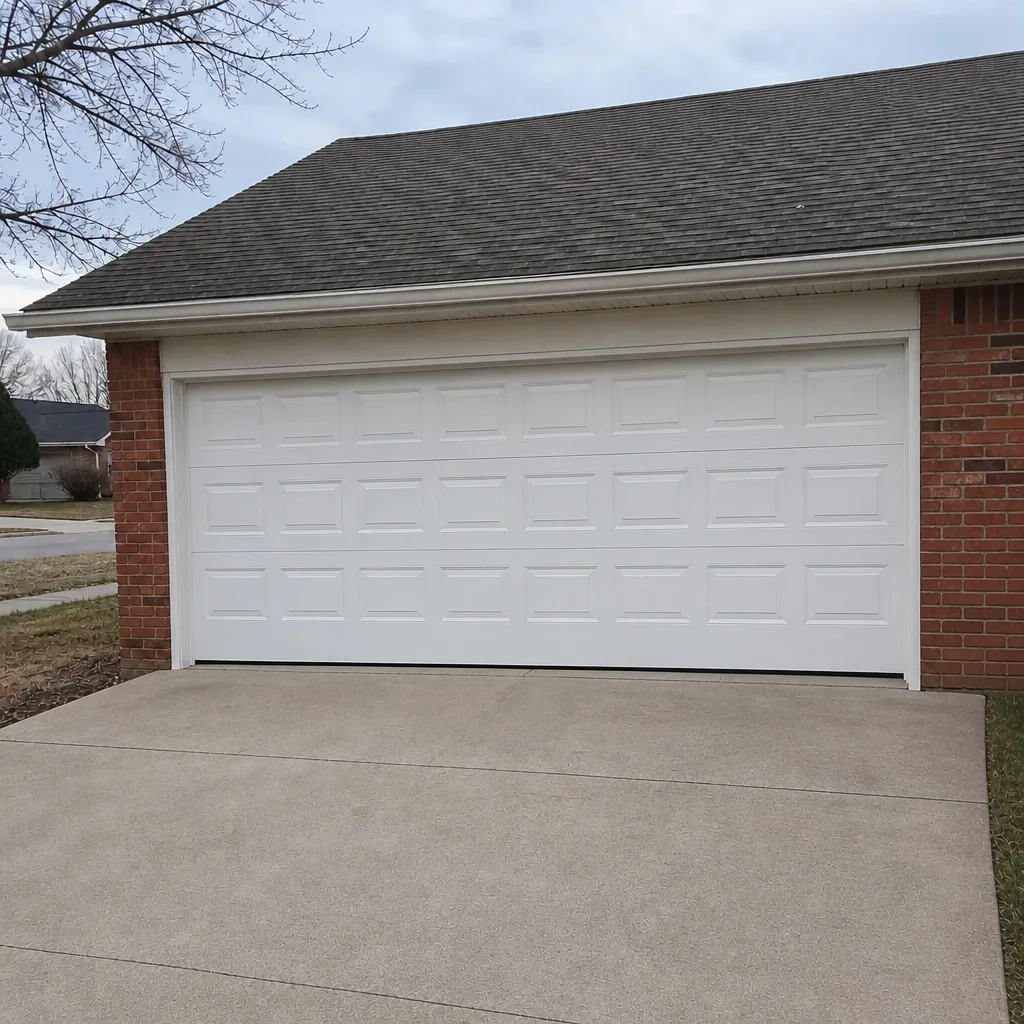 After
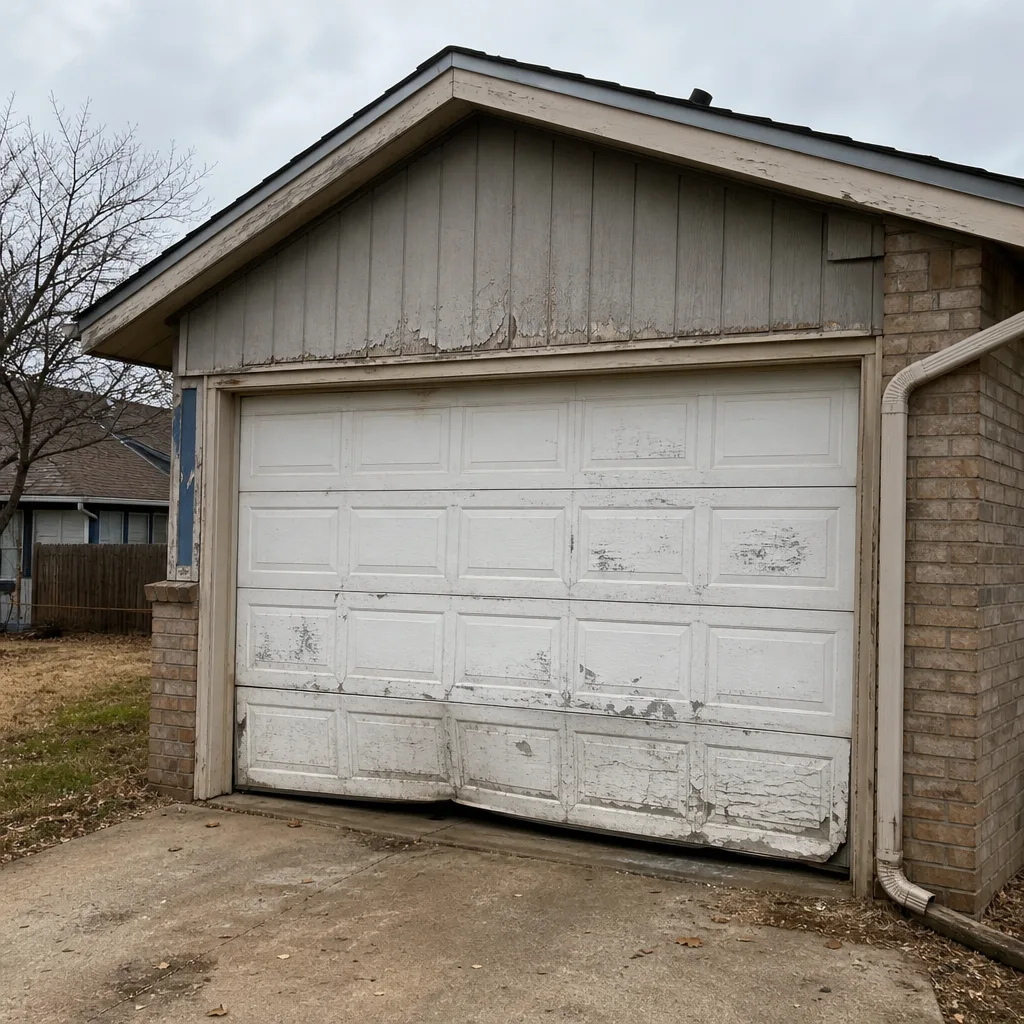 Before
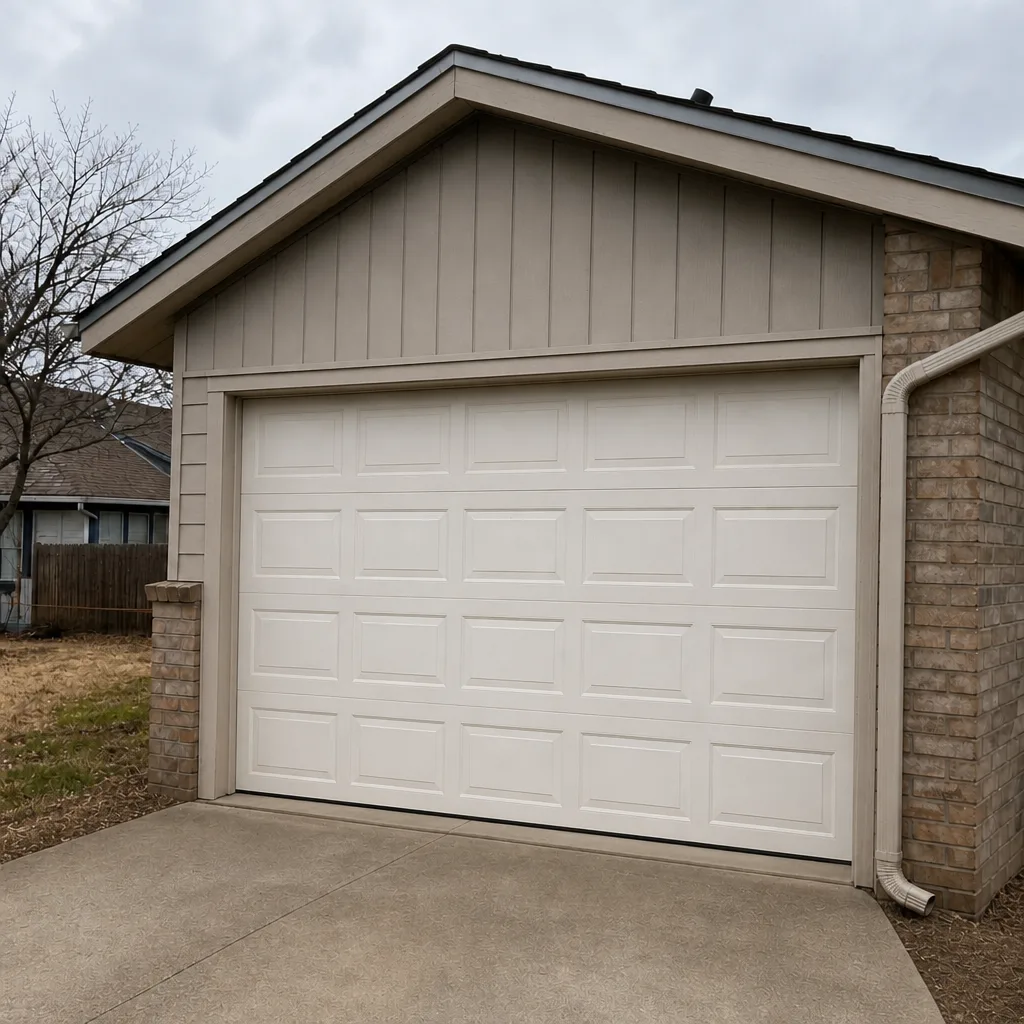 After