
Last updated November 16, 2026
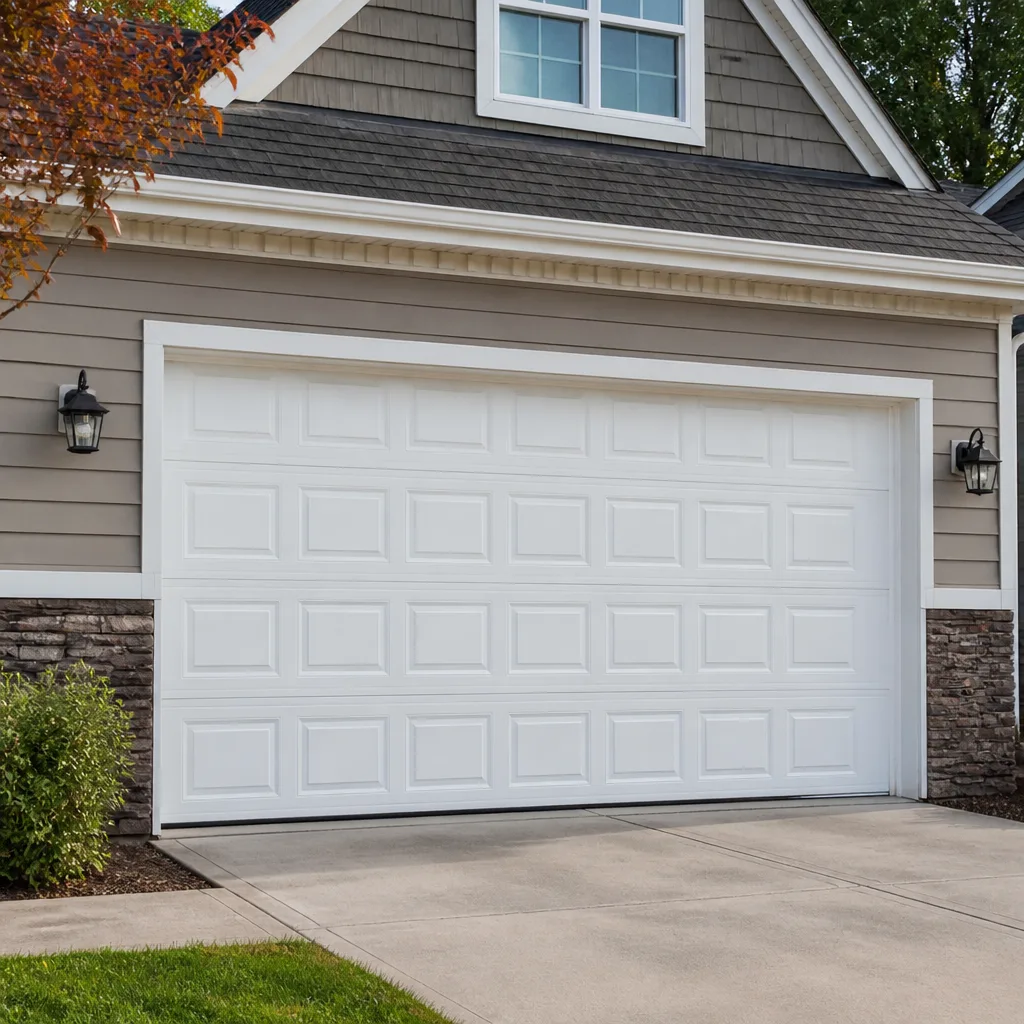 Raised-panel steel
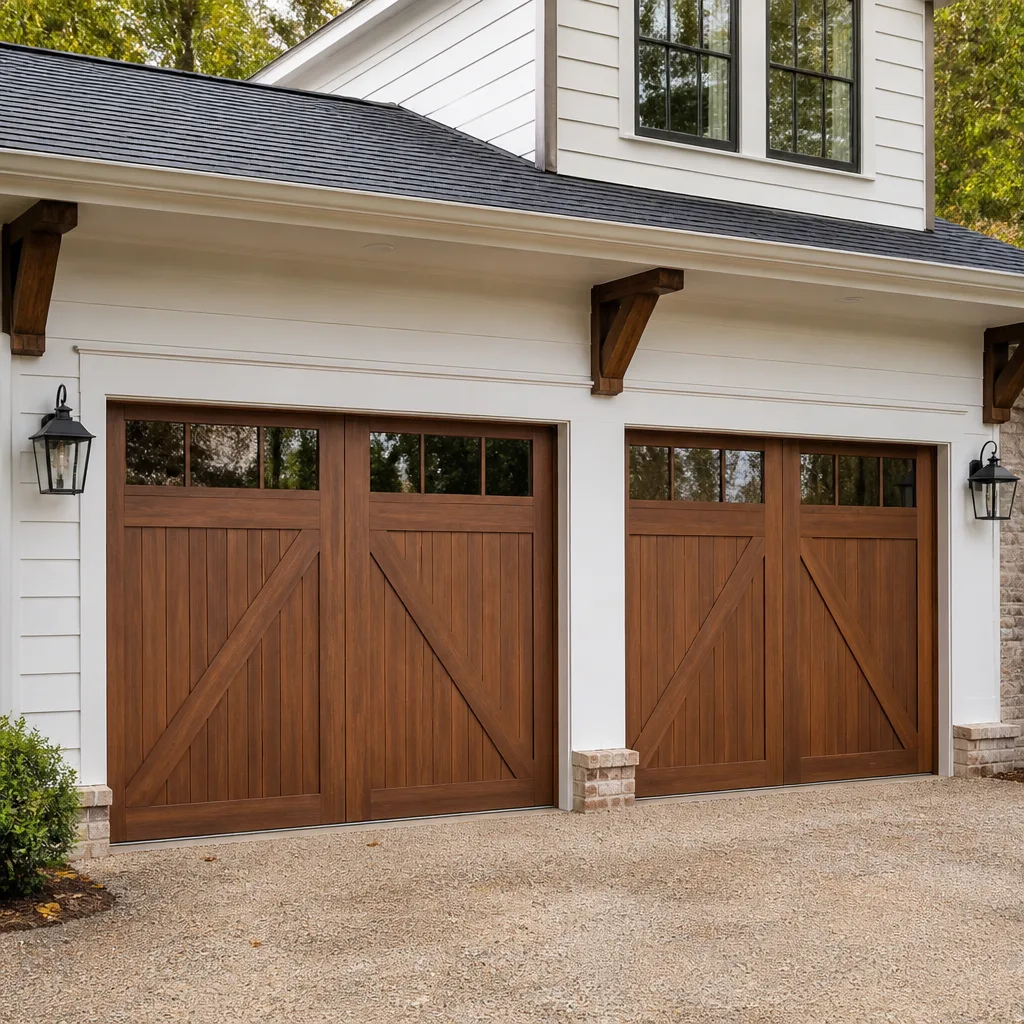 Carriage house
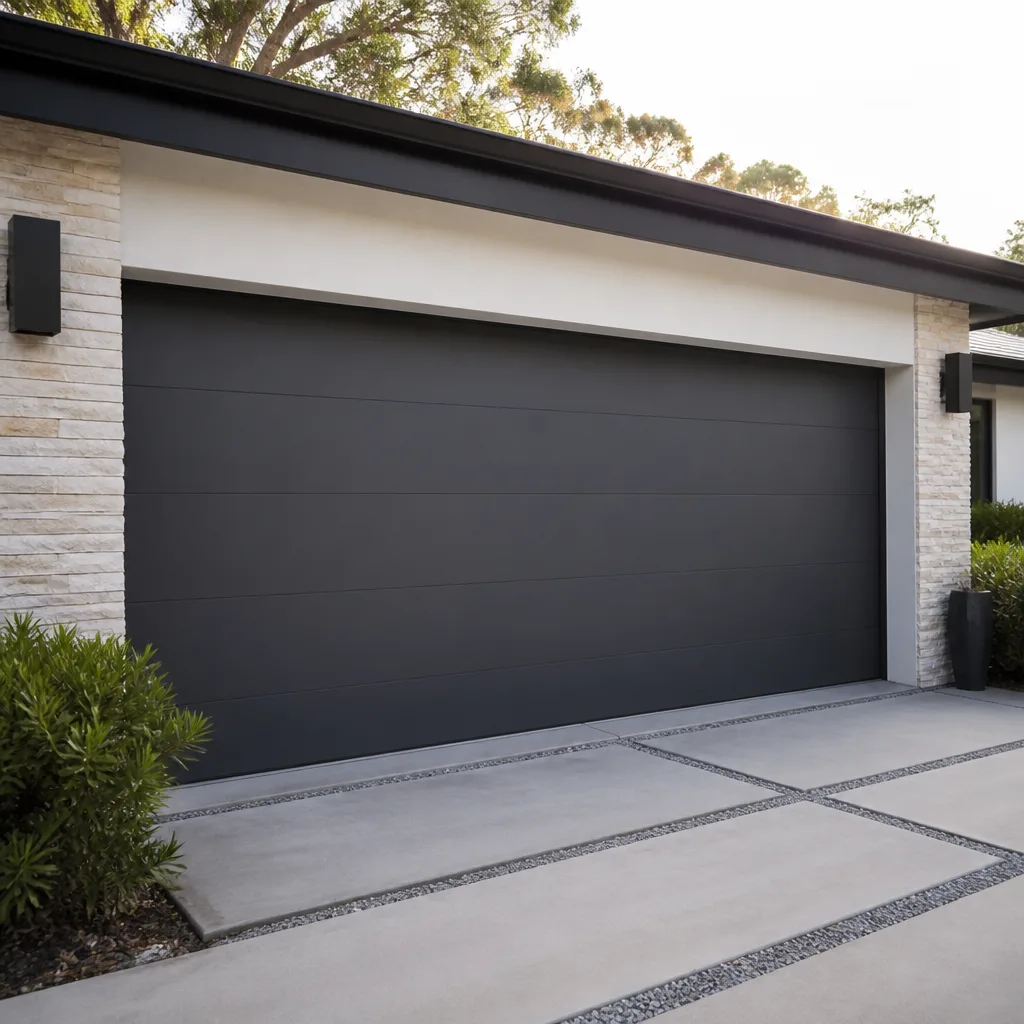 Modern flush
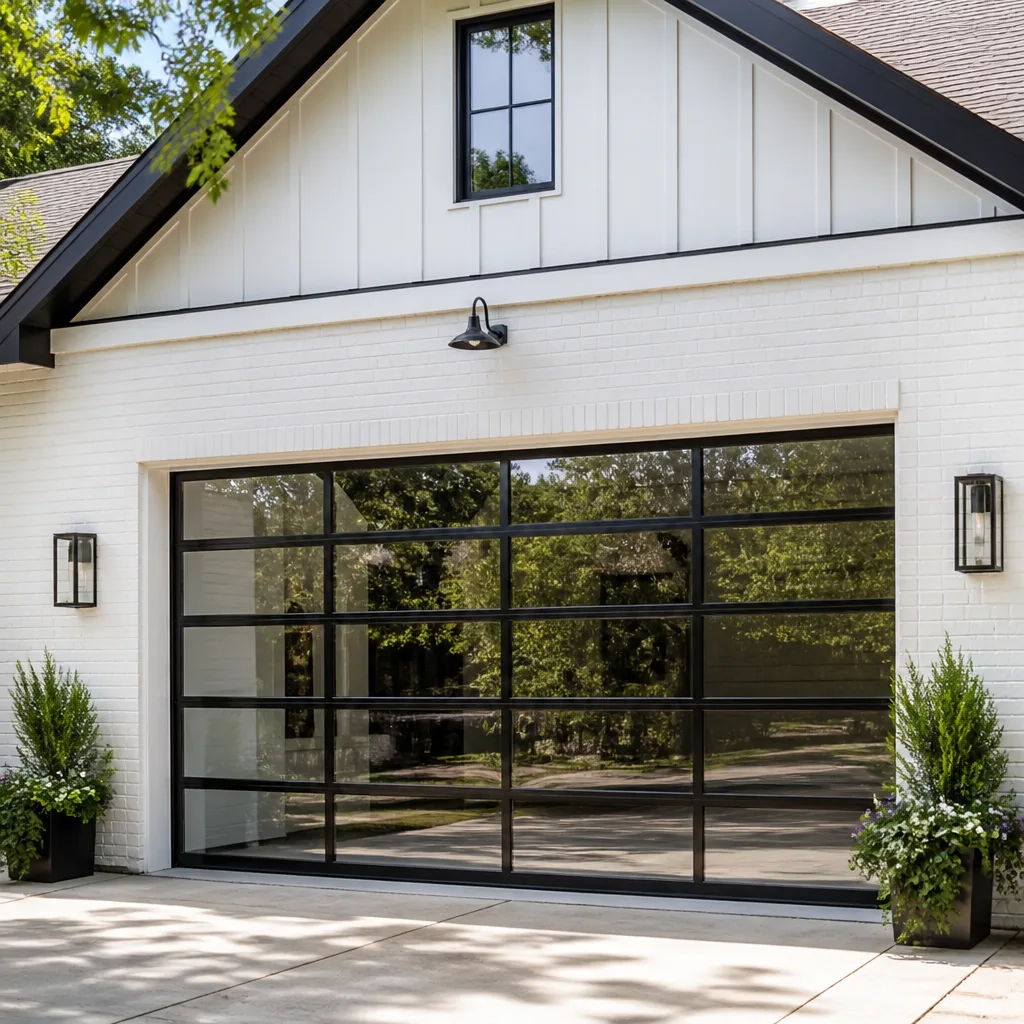 Full-view glass
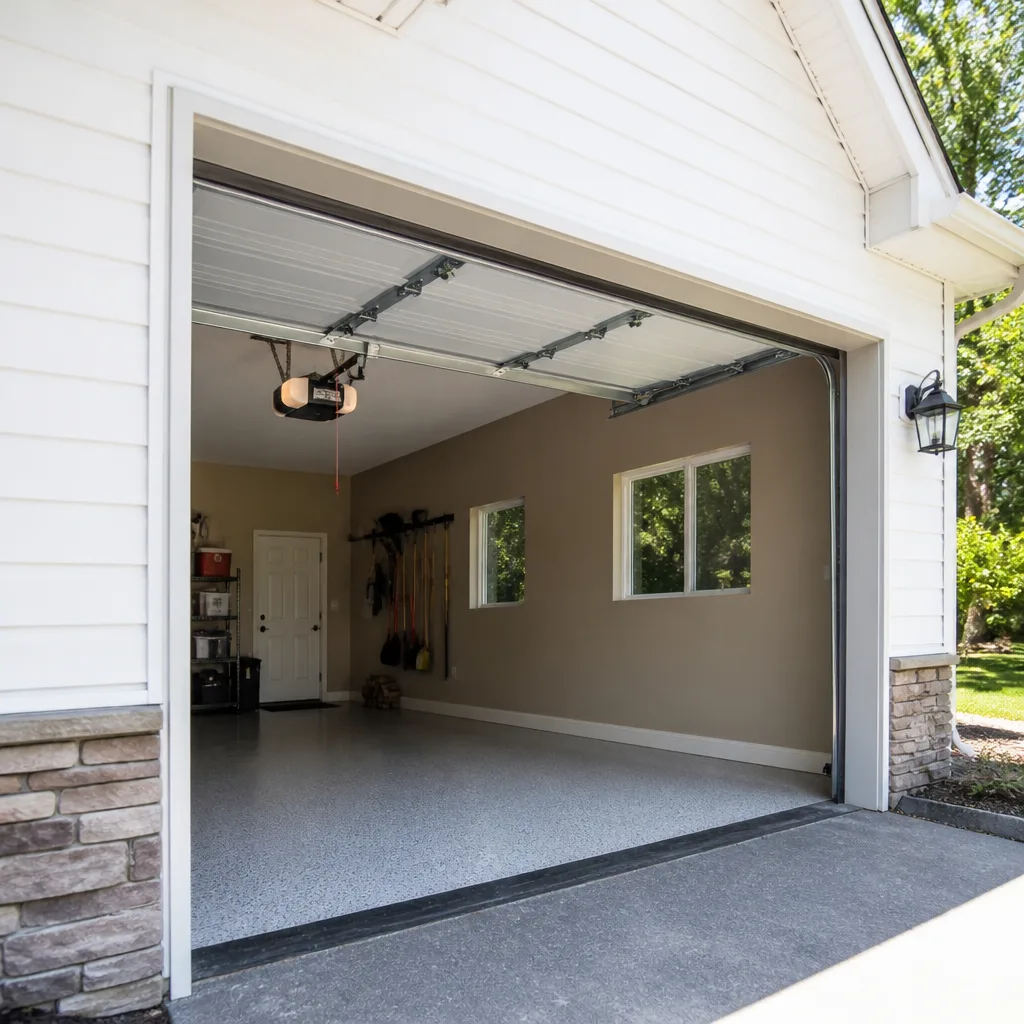 LiftMaster openers
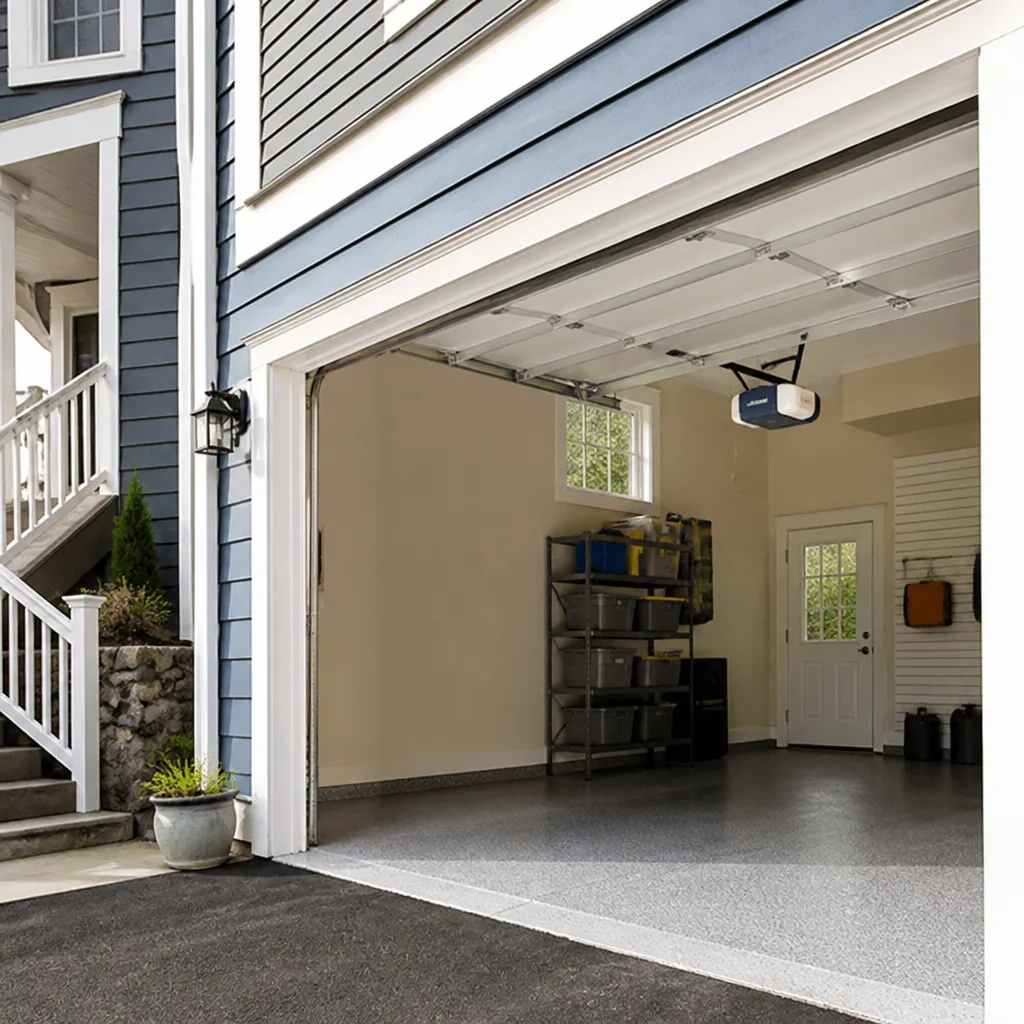 Chamberlain openers
Full 25-point door and opener safety check with every visit - springs, cables, rollers, tracks, and your LiftMaster or Chamberlain opener included
You get a price before we start. It does not change when the pro arrives.
Get your free estimateSeasonal Garage Door Care for Edmond: Year-Round Homeowner’s Guide
Most homeowners assume the spring is what fails first. In our experience across Edmond, it’s the bottom seal. A south-facing door bakes in Oklahoma UV for years, and the rubber dries until it cracks. Add the red clay grit that blows across a driveway and gets ground into that seal every time the door closes, and you have a part that wears away quietly while everyone worries about the spring. This guide is built around Edmond’s actual weather rather than a generic calendar: ice storms that arrive in March, hundred-degree weeks in June, hail in September, and the freeze-thaw swings in between. You’ll learn which component to check after which weather event, and when a small maintenance habit saves you a repair call.
Quick Answer
Seasonal garage door care in Edmond means checking a different part of the system after each weather pattern rather than once a year. Inspect the bottom seal and weatherstripping after summer UV exposure, look at rollers and hinges after a freeze-thaw cycle, check panel denting after a hail event, and lubricate moving metal only once temperatures hold steady after the last hard freeze. The door, the springs, and the opener each respond to different conditions, so a year-round routine follows Edmond’s weather, not just the month on the calendar.
Styles & brands we work with
- Raised-panel steel
- Carriage house
- Modern flush
- Full-view glass
- LiftMaster openers
- Chamberlain openers
Table of Contents
- Why Edmond Weather Stresses a Garage Door Differently
- Post-Ice-Storm Inspection: What Expands, What Contracts
- Summer Heat and Your Opener’s Circuit Board
- Fall Hail Inspection: Cosmetic Dent vs. Structural Damage
- Spring Checklist: Lubrication at the Right Temperature
- How to Winterize Without Over-Tightening Springs
- The Bottom Seal: Edmond’s Most Overlooked Component
- A Year-Round Schedule for Edmond Homeowners
Why Edmond Weather Stresses a Garage Door Differently
Edmond doesn’t hand a garage door one kind of stress. It hands it a rotating menu. A single door here can face a hard freeze in the morning and a warm afternoon within the same week, and each of those swings pulls on a different part of the assembly. Steel panels move with temperature. Springs store and release tension. Rubber seals dry and crack. The opener’s electronics sit in an unheated, uninsulated box that gets just as cold and just as hot as the outside air.
That’s why a generic national maintenance checklist falls short here. A schedule built for a mild climate won’t tell you to check rollers after a freeze, and a schedule built for a cold climate won’t warn you about UV degradation on a south-facing door in July. Edmond sits in a zone where both matter, plus hail on top of it.
Think about the door as three systems that age at different rates:
- The door itself – panels, hinges, rollers, tracks. These respond to heat, cold, and impact.
- The spring and cable system – the parts under load. These respond to temperature swings and cycle count, and they fail with little warning if ignored.
- The opener – motor, logic board, safety sensors, and connectivity. This responds to heat, power surges, and dust.
Each system has its own peak stress season in Edmond. The guide that follows walks through them in the order the year usually delivers them, starting with the event that catches the most people off guard: the late freeze.
Post-Ice-Storm Inspection: What Expands, What Contracts
An ice storm does more than coat the driveway. It drives water into the small gaps around your door, then freezes it. When it thaws, that water is gone but the stress isn’t. The parts that matter most are the ones that were squeezed and released, and those are the parts worth checking the day after the thaw arrives.
Here’s the sequence that gives you the most information in the shortest time:
- Look at the bottom seal first. Water that pooled and froze under the door usually leaves the seal deformed, torn, or pushed out of its channel. If the rubber won’t sit flat when the door is down, it’s no longer sealing.
- Check the tracks for misalignment. Frozen water in the track channel can push a bracket out of square. Run a hand along each side and feel for a spot where the roller rubs instead of rolls.
- Test the opener’s balance. Disconnect the opener and lift the door halfway by hand. A balanced door stays put. If it sags or drops, the springs took on stress during the freeze and may be closer to failure than they were in the fall.
- Look at the top panel. Ice dams at the top edge of the door can bend the top section, especially on steel doors where the panel is thin.
- Cycle the door and listen. A new grinding or popping sound after a freeze is worth investigating. Silence is the goal.
Springs and cables are under high tension, and a cable that looks fine can be a frayed strand away from letting go. Don’t reach into the spring assembly or try to adjust a cable yourself. That’s a job for a trained technician, and it’s the kind of check that’s worth having done after a hard freeze if anything feels off. If your door has stopped opening cleanly, that’s a garage door repair situation, not something to force.
One Edmond-specific note: freeze-thaw cycles here often repeat over several days rather than resolving in one thaw. If a door fails to open on the first warm morning, wait a day and check again before assuming a spring has failed. Sometimes the track has simply held ice in a spot the sun couldn’t reach.
Summer Heat and Your Opener’s Circuit Board
Garage openers don’t like Oklahoma summers. A garage that faces south or west can run noticeably hotter than the outside air on a June afternoon, and the logic board on a modern opener is the part that suffers most. Heat makes electronics drift, and a board that’s been running hot for weeks starts doing odd things: the door reverses on its own, the wall button needs two presses, or the remote works only from a few feet away.
Ventilation helps more than any other single step. An unvented garage traps heat all day. A small vent, an open window on a mild evening, or a fan that runs during the hottest hours keeps the opener’s housing closer to outside temperature and gives heat a way out.
When the heat is already causing problems, work through this order before assuming the board is bad:
- Check the safety sensors. A sun-facing sensor can trip on glare alone. Make sure the alignment is clean and nothing is casting a shadow into the beam.
- Test the wall button. If the wall button works and the remote doesn’t, the problem is the remote or the antenna, not the board.
- Look for dust on the board. Dust plus heat is a bad combination. A technician can blow out the housing and check the connections.
- Check the power source. Summer storms bring surges, and a surge can leave a board half working. If the opener acts confused rather than dead, surge damage is a real possibility.
Smart opener platforms like LiftMaster and Chamberlain depend on more than a motor. They tie into Wi-Fi, app control, and safety sensors, and heat stress can show up first as a connectivity problem rather than a mechanical one. When a LiftMaster or Chamberlain unit won’t stay paired or the app reports a fault, that’s electronics work. Our garage door opener repair handles both the mechanical and the connected side under one visit.
Older Craftsman and Genie units still run in a lot of Edmond garages, and they’re more forgiving of heat but not immune to it. The common summer symptoms on those are a motor that hums without lifting and a door that reverses halfway up. Neither is a reason to replace the opener. Both deserve a diagnostic look before you buy a new one.
Fall Hail Inspection: Cosmetic Dent vs. Structural Damage
September hail in Edmond can dent a door panel without breaking anything. The important question isn’t whether there’s a dent. It’s whether the dent changed how the door moves. A cosmetic dent on a hollow steel panel usually stays a cosmetic problem. A dent that has put a kink in the panel’s vertical stiffening is a different story, because the panel can no longer hold its shape as it travels.
Here’s how to tell the difference:
- Look for creases, not dents. A smooth dent is cosmetic. A sharp crease or a fold with a hard edge usually means the panel’s structure has been deformed.
- Check the panel edges against the track. If a dent has pushed the panel edge wider, the roller will rub the track on every cycle. That rub wears the roller fast.
- Cycle the door and watch the panel at eye level. A dented panel that wobbles or flexes as it rises is under strain. A panel that runs flat is holding up fine.
- Look at the top section for hinge damage. Hail that dents a top panel can also displace a hinge. A displaced hinge is a simple fix, but left alone it drags the track.
- Check the bottom seal for nicks. Hail rarely reaches the seal, but the water that follows can. If the seal has lost a chunk, replace it before winter.
Insurance claims for hail damage are a separate conversation, and we aren’t the ones to advise you on coverage. What we can say is that cosmetic dents on a Clopay or Amarr steel door don’t usually affect operation, while a dented Raynor or builder-grade door with a thinner panel deserves a closer look at the hinges and rollers. A hollow panel that has been creased can sometimes be repaired without replacing the whole door, and a full replacement is only worth the cost when the panel can no longer travel straight.
Spring Checklist: Lubrication at the Right Temperature
Spring maintenance in Edmond should wait until the last hard freeze has passed. Lubricating moving metal in cold weather is a mistake a lot of homeowners make. Cold thickens grease, and grease applied while it’s still near freezing clings unevenly and can hold grit instead of repelling it. The right window is a stretch of days when the overnight low stays well above freezing. In Edmond that’s usually sometime in late March or early April, but the last hard freeze can arrive in March, so watch the forecast rather than the calendar.
Once the temperature holds, here’s the order that works:
- Clear the tracks. Wipe them clean with a dry cloth. Don’t grease the tracks. Grease in an open track collects Edmond’s red dust and turns into an abrasive paste.
- Lubricate the hinges, rollers, and springs. A few drops of a proper garage door lubricant at each hinge pivot and each roller bearing, plus a light coat on the spring, is enough. More isn’t better here.
- Test the balance by hand. With the opener disconnected, lift the door to the halfway point and let go. It should hold. If it drops, the springs need attention from a technician.
- Test the safety reverse. Put a piece of wood flat on the floor under the door and close it. The door should reverse on contact. This is the check that matters most for household safety, and it’s the one homeowners skip.
- Check the photo-eye sensors. Make sure nothing is blocking the beam and both lenses are clean. Do this once in spring and once before winter.
Spring is also the right time to look at the door’s cosmetic condition. Winter grime and the grit from spring winds build up on steel, and a quick wash keeps a Clopay or Amarr finish from dulling. It’s not structural, but it’s the cheapest maintenance you’ll do all year.
If a spring has failed outright, don’t run the door and hope. An unbalanced door puts the whole load on the opener’s gear and strip, and that turns a spring repair into a spring plus opener repair. Spring work is genuinely dangerous and best left to a trained technician. Our technicians have up to 10 years of experience, and it’s the kind of job we handle routinely.
How to Winterize Without Over-Tightening Springs
Winterizing a garage door in Edmond is mostly about resisting the urge to tighten things. A spring adjusted tight on a cold day is a spring that will be over-tensioned when the temperature rebounds into the sixties a week later. Steel and spring wire expand and contract, and a setting that felt right at 30 degrees can be too much at 65. Leave the springs alone and let a technician set balance if it needs it.
What you can safely do:
- Check and replace the bottom seal. A seal that’s cracked from summer UV will let cold air in all winter. Replacing it is inexpensive and makes the biggest difference to how cold the garage gets.
- Check the threshold. The concrete under the door should be flat and free of chips. A chipped spot under the seal lets cold air in and wears the seal unevenly.
- Test the door’s balance and let it be. If it holds halfway up, it’s balanced. If it doesn’t, call a technician rather than adjusting it yourself.
- Inspect the weatherstripping around the door frame. Loose or torn weatherstrip is an easy replacement and it matters in Edmond’s wind.
- Clear debris from the tracks. Leaves and grit that collect in the tracks freeze into place and cause misalignment on the first cold morning.
Insulation can help a garage stay warmer, but it changes the weight of the door. An insulated door needs a spring sized for that weight. If you’re adding insulation to a door that was made without it, talk to the door’s manufacturer or a technician about whether the springs and opener are rated for the added load. Getting this wrong is a common reason a door opens slowly or stops halfway.
For a LiftMaster or Chamberlain opener with a battery backup, winter is a good time to check the battery, since a cold garage shortens its useful run time. A Craftsman or Genie unit without backup is fine, but if you rely on the opener during a power outage, a backup model is worth the conversation.
The Bottom Seal: Edmond’s Most Overlooked Component
The bottom seal is a strip of rubber or vinyl that does a job nobody thinks about until it stops doing it. On a south-facing door, that seal takes direct sun most of the day for months. UV dries it, cracks it, and turns it brittle. Meanwhile, Edmond’s red clay grit lands on the driveway and gets ground into the seal every time the door closes. The grit acts like sandpaper. Between the sun and the grit, the seal on a south-facing door in Edmond wears faster than almost any other part of the system.
A failing seal shows up in a few ways:
- Visible cracks or missing chunks along the bottom edge.
- Daylight visible under the door when it’s fully closed.
- A draft at the bottom of the door on a windy day.
- Water on the garage floor after rain, especially at the corners.
- The seal pulling out of its channel when the door opens.
Replacing a seal is one of the few maintenance jobs that’s genuinely affordable and worth doing proactively rather than after it fails. It also protects the door itself: a seal that lets water in at the bottom rusts the panel’s bottom edge over time, and that’s a repair instead of a replacement part.
If your garage holds heat in summer or cold in winter, the seal is the first thing to fix before spending money on insulation or a new door. You’ll get more from a fresh seal than from almost any other single item on this list. And if you’re not sure whether your seal is past its useful life, a 10-minute look from a technician settles it.
A Year-Round Schedule for Edmond Homeowners
A schedule is only useful if it’s realistic. This one is built around Edmond’s weather pattern and assumes you’ll do the safe checks yourself and call a technician for the rest.
- Late winter (before the last hard freeze): Check the bottom seal for cold-air leaks, clear the tracks of grit, and test the safety reverse.
- After any ice storm or hard freeze: Inspect the seal, tracks, and top panel the day after the thaw. Test the door’s balance by hand. Call if it sags or makes new noise.
- Early summer (before the hottest weeks): Ventilate the garage, check the opener’s sensors and remote range, and look at the logic board housing for dust. If the opener acts confused, get it diagnosed.
- After hail: Look for creases rather than dents, check the panel edges against the track, and watch the door cycle for wobble. Call if the door no longer runs flat.
- Spring (after the last hard freeze): Lubricate hinges, rollers, and springs at a steady warm temperature. Don’t grease the tracks. Test safety reverse and the photo-eye sensors.
- Fall (before the first freeze): Replace a worn bottom seal, check the threshold and weatherstripping, and clear the tracks for winter. Don’t tighten the springs.
That’s six touchpoints a year, and most of them take ten minutes. The two that involve the spring assembly, the ones after a freeze and after hail, are the two worth having a technician look at if anything seems off. Springs are under high tension and the risk of serious injury from a DIY adjustment isn’t worth the savings.
If your door is getting old enough that the repair list is growing, installation is worth a conversation. We install and service Clopay, Amarr, Wayne Dalton, and Raynor doors, along with LiftMaster, Chamberlain, Genie, and Craftsman openers, so the same conversation covers the door and the system that drives it. Edmond Garage Door Service handles repair, opener work, and installation under one roof, which matters when the answer to “repair or replace” isn’t obvious. A free measure and a written price settles that question without a sales pitch.
Common Mistakes to Avoid
- Greasing the tracks. Tracks are meant to stay dry. Grease collects Edmond’s red dust and turns the track into an abrasive surface that wears rollers fast.
- Lubricating before the last hard freeze. Cold grease clings unevenly and traps grit. Wait until overnight temperatures hold above freezing.
- Tightening the springs in cold weather. A spring set tight at 30 degrees is over-tensioned when the temperature climbs into the sixties within the week. Leave spring adjustments to a technician, and set them at a stable temperature.
- Ignoring the bottom seal because the door still opens. A cracked seal lets water reach the bottom edge of the panel, and rust there is a repair instead of a replacement part.
- Assuming a dent is only cosmetic. A crease can deform the panel enough that it drags the track. Check how the door runs, not just how it looks.
- Running the door with a failed spring. The opener’s gear takes the full weight, and a spring repair turns into a spring plus opener repair. Stop using the door until it’s checked.
- Skipping the safety reverse test. It’s a 30-second check and the most important one on the list. Test it in spring and again before winter.
See the difference
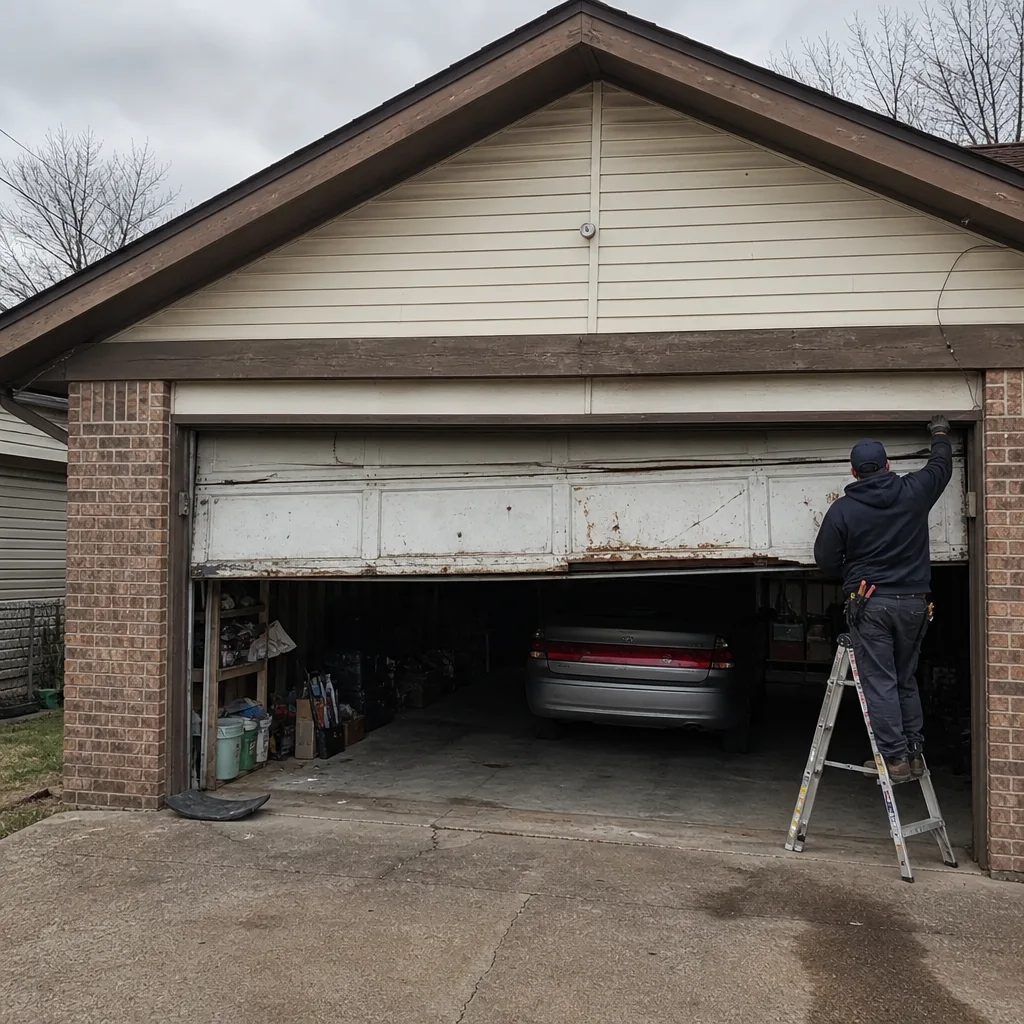 Before
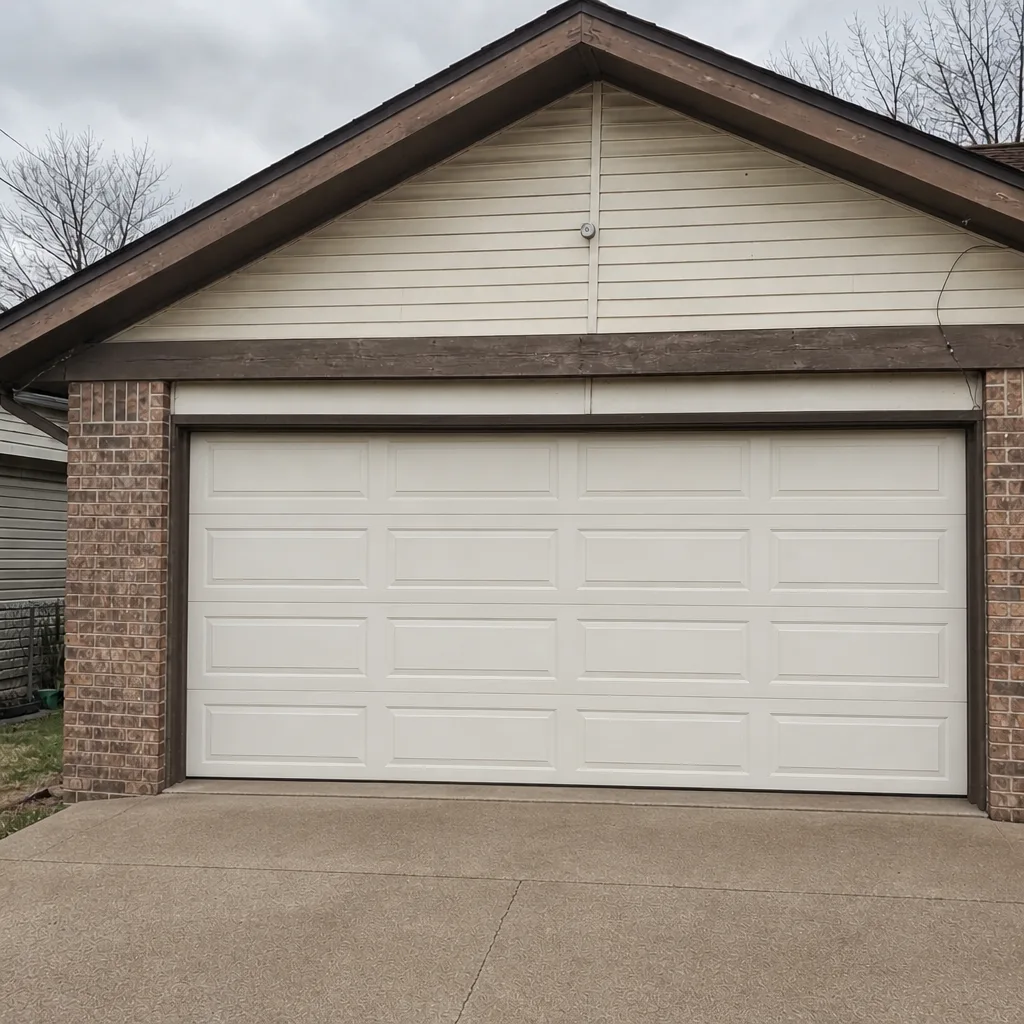 After
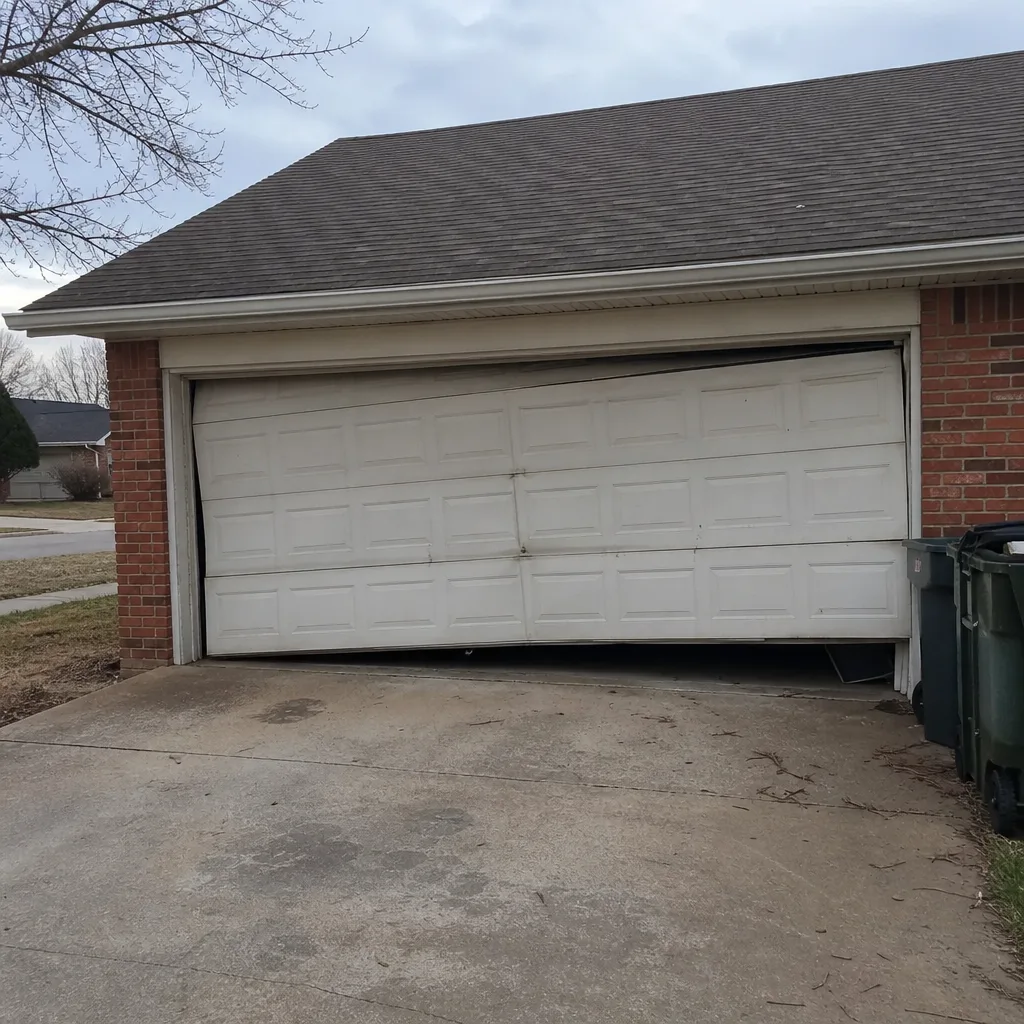 Before
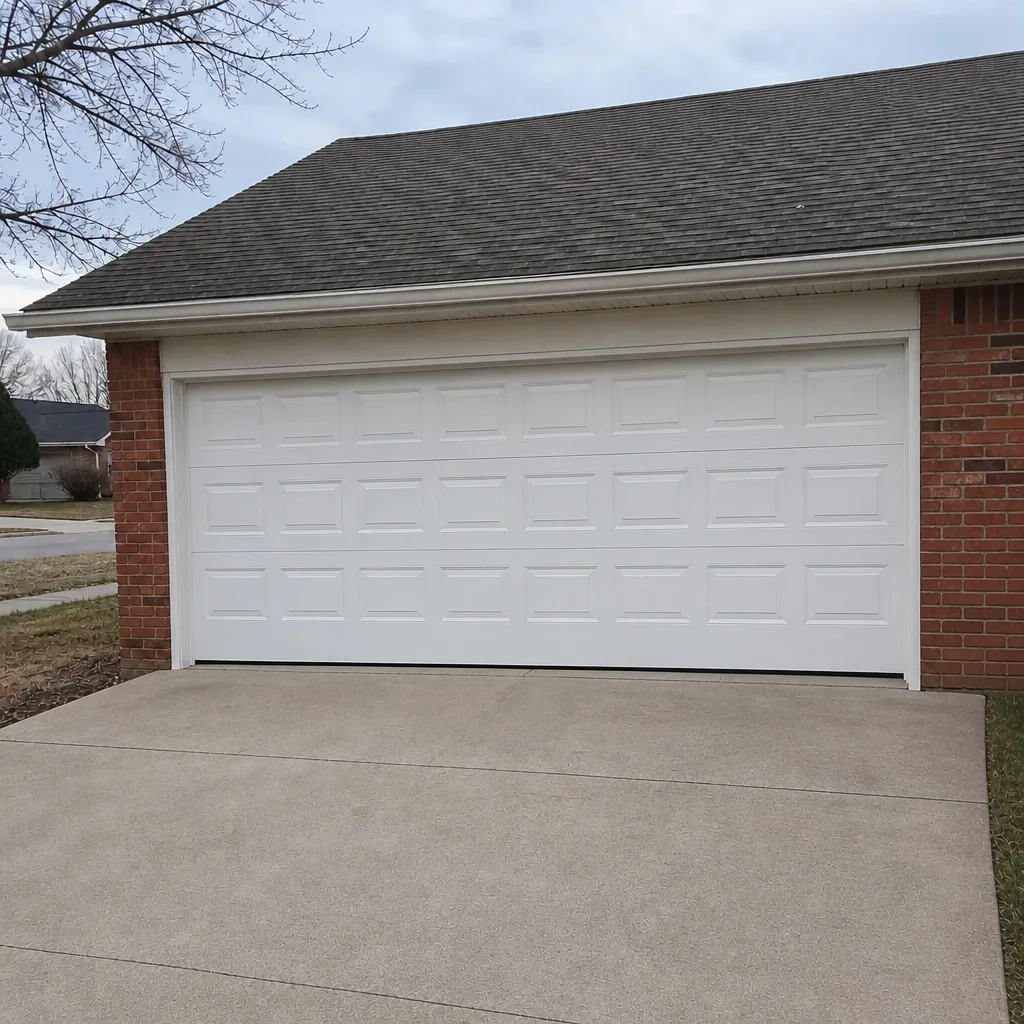 After
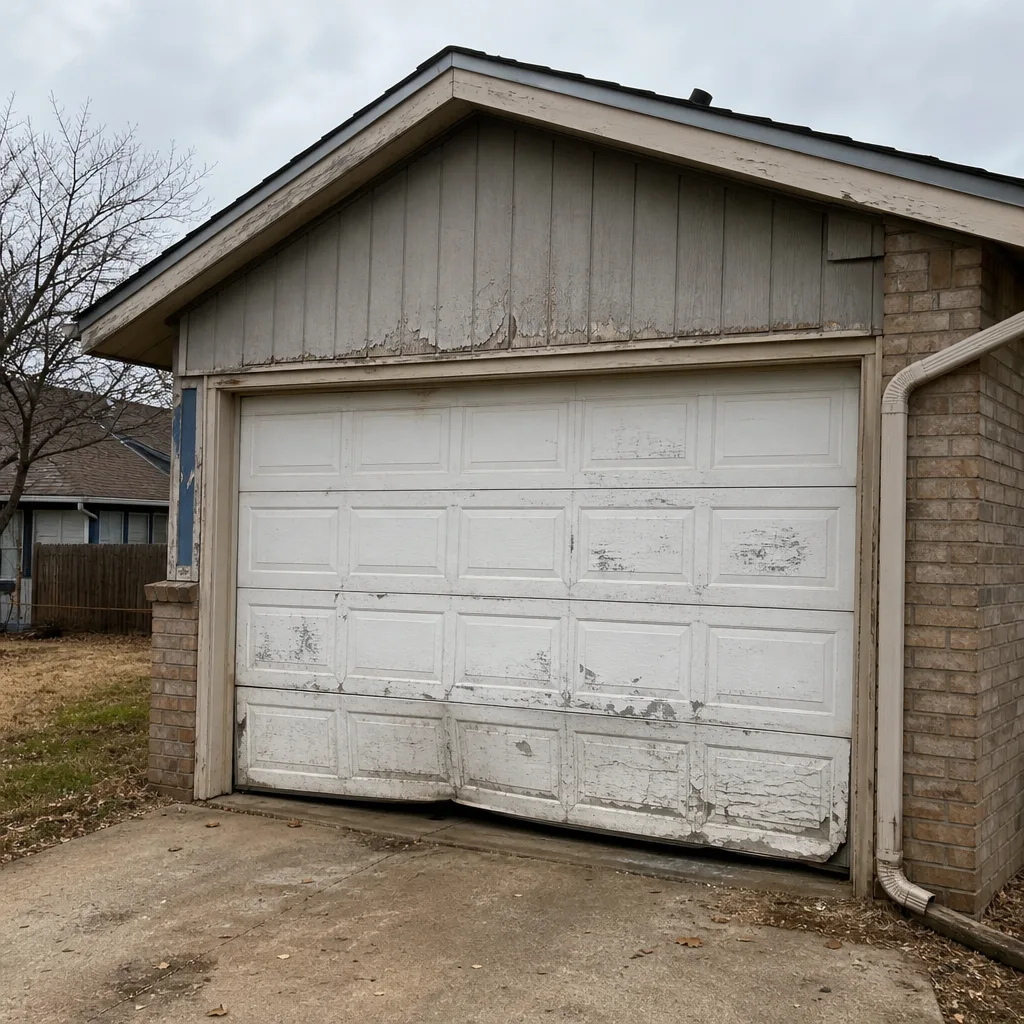 Before
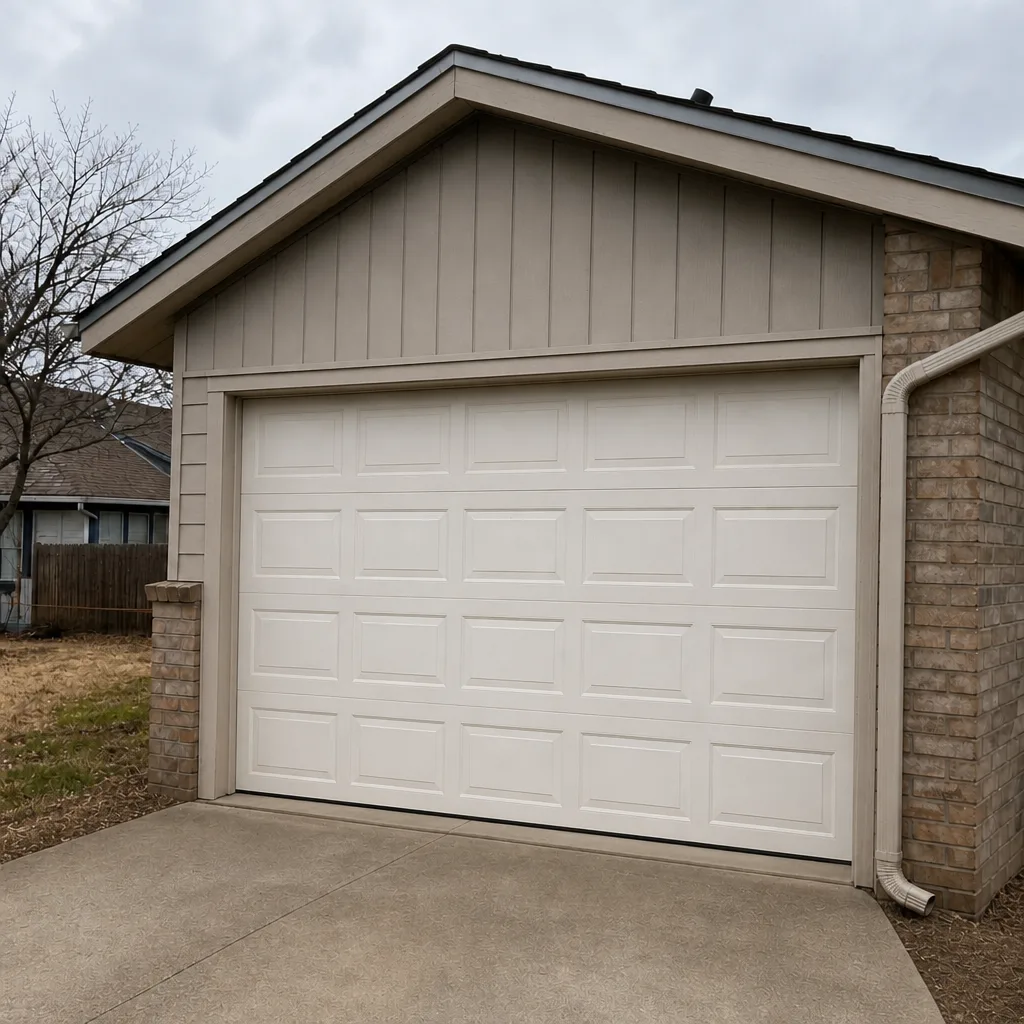 After
When to Call a Professional
Some jobs belong in your hands and some don’t. Call a professional if a spring has broken or the door won’t stay balanced when you lift it by hand, if a cable looks frayed or has come off a drum, if the door is off its track or a roller has come out of the channel, or if the opener runs but the door doesn’t move. Call if a hail-dented panel wobbles as it travels or if the door has started reversing on its own. And call if the garage is getting cold and a new seal hasn’t fixed it, since that usually points to something more than the seal. Edmond Garage Door Service offers free estimates in Edmond. Call (833) 545-4561. We answer 24/7. Fast dispatch from 7am to 7pm, Sunday through Friday. Every price is quoted and agreed before any work starts.
Frequently Asked Questions
Four to six times a year is the realistic target given how many weather swings Edmond gets. The key moments are after the last hard freeze, before summer heat, after any hail, and before the first freeze. A spring lubrication, service, and a safety check each spring and fall cover the basics, and post-storm inspections catch the rest. If you’d rather not track it yourself, call (833) 545-4561 and we’ll book a maintenance visit. Estimates are free.
The bottom seal is the most common early failure on a south-facing door in Edmond. UV exposure dries and cracks the rubber, and red clay grit wears it down every time the door closes. Springs fail next most often, typically from cycle count rather than sun exposure, and they’re more likely to fail after a long freeze-thaw stretch. Replacing a seal early is inexpensive and prevents panel rust at the bottom edge. Call (833) 545-4561 for an exact quote on a seal replacement.
Yes, for the hinges, rollers, and the spring, using a proper garage door lubricant and a few drops at each pivot. Leave the tracks dry. Don’t attempt to adjust or lubricate the spring under load in a way that puts your hands near the spring coils or the cable, because both are under high tension and a mistake there can cause serious injury. If anything feels stiff, misaligned, or noisy afterward, stop and have a technician look at it. Call (833) 545-4561 and estimates are free.
A smooth dent is usually cosmetic, while a sharp crease that changes how the panel travels usually means the panel has lost structural rigidity. The test is operation, not appearance: watch the door cycle and see whether the dented panel wobbles, rubs the track, or flexes under load. If it runs flat, a replacement usually isn’t necessary. If it drags or the hinges have shifted, have it inspected before running it further. Call (833) 545-4561 for a free estimate.
Most will, but the logic board is the part that suffers most in a hot, unvented garage. Ventilating the space and keeping the opener’s housing clear of dust goes a long way. Modern smart units from LiftMaster and Chamberlain are more sensitive to heat-related connectivity problems, while older Craftsman and Genie motors tend to tolerate heat better but still need clean sensors and a healthy power supply. If your opener is acting confused, we handle it. Call (833) 545-4561. We answer 24/7, with fast dispatch from 7am to 7pm, Sunday through Friday.
Only after you’ve checked it with the door disconnected from the opener and lifted it by hand. If it holds at the halfway point and runs smoothly without grinding or popping, it’s likely fine. If it sags, drops, or a track has shifted, don’t operate it, since a stressed spring or a misaligned track can fail under load. Call (833) 545-4561. A call outside dispatch hours is booked into the next opening, Sunday through Friday, 7am to 7pm, and estimates are free.
The Bottom Line
Edmond’s weather doesn’t stress a garage door the way a single-season climate does. It delivers ice, heat, hail, and freeze-thaw swings, and each one pushes a different part of the system. The seal takes the UV and the grit. The springs take the temperature swings. The opener’s board takes the summer heat. Care for the door here means checking the right part after the right weather event, lubricating at the right temperature, and leaving the spring assembly to a trained technician. Most of the year-round routine takes minutes. The two checks worth a professional look are the ones after a freeze and after hail. Get those right and you’ll get more years from the door and fewer surprise repair calls. Call (833) 545-4561 for a free estimate. We answer 24/7. Fast dispatch from 7am to 7pm, Sunday through Friday.
Written by the team at Edmond Garage Door Service.